


If your long irons no longer launch as high or carry as far as they once did, the problem may not be your swing.
Long irons require enough speed and a precise strike to produce a useful ball flight. As swing speed slows, even a solid shot can come out low, spend very little time in the air, and rely on rollout for most of its distance.
That is exactly why hybrids can be so valuable for experienced golfers.
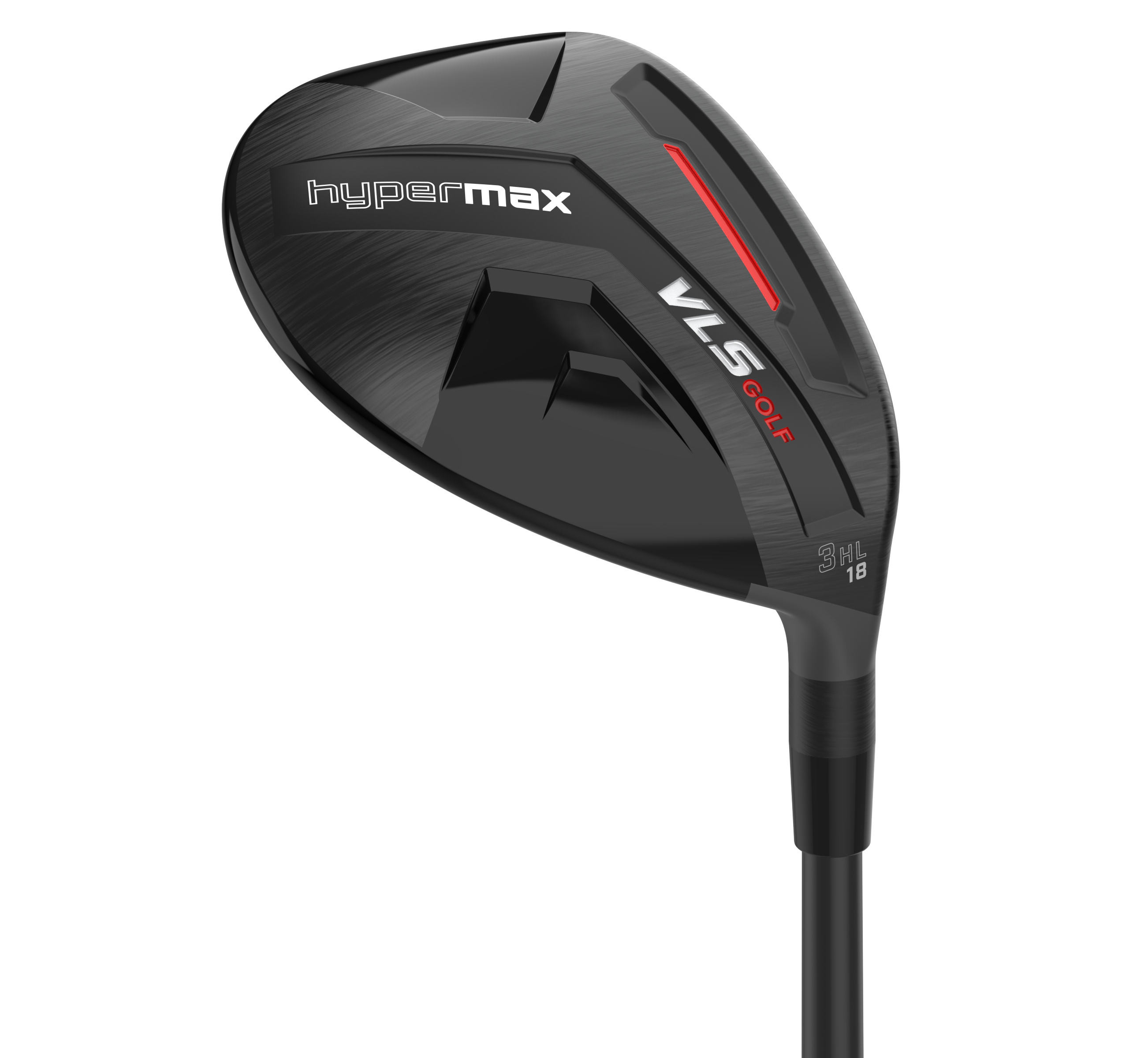
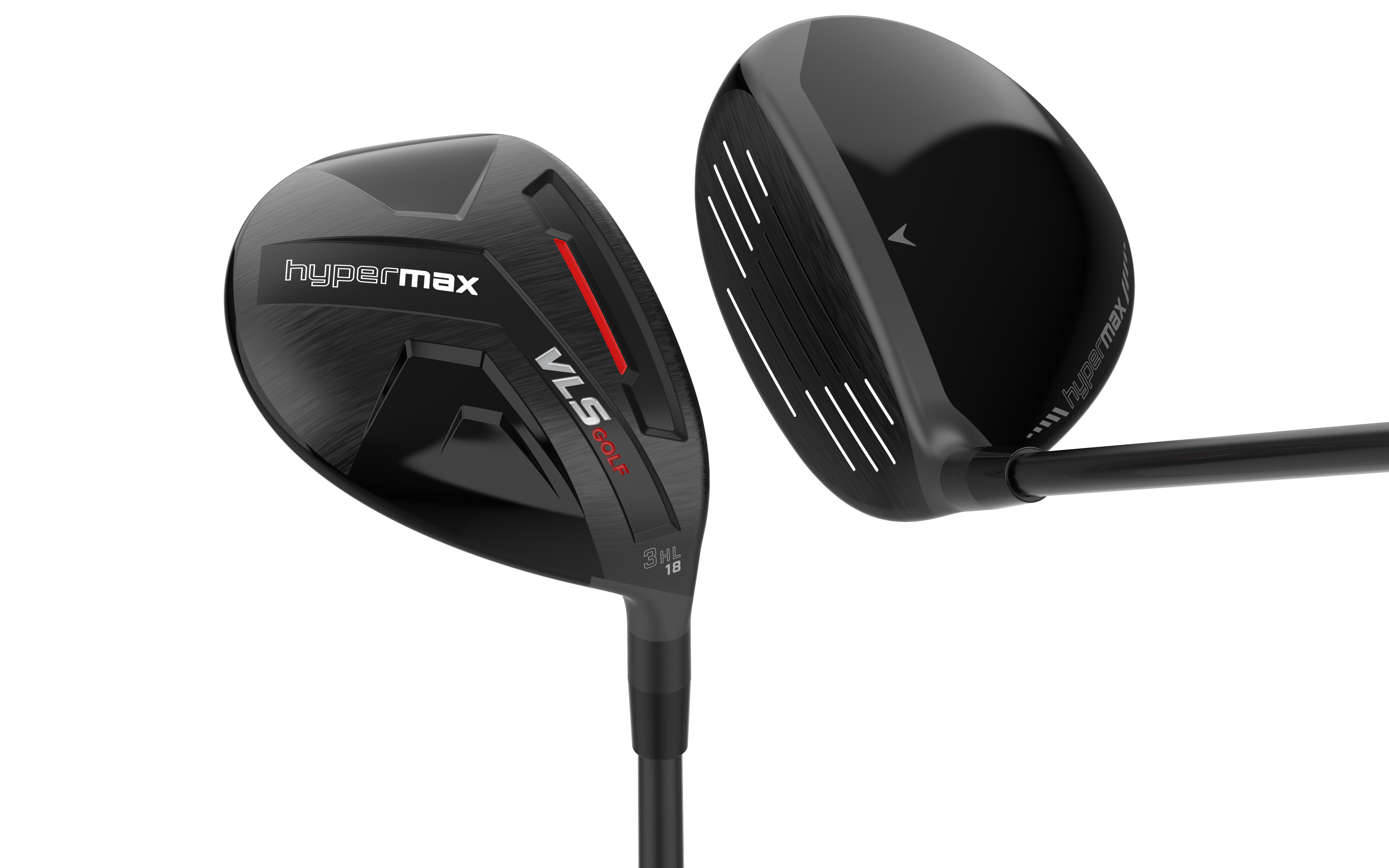
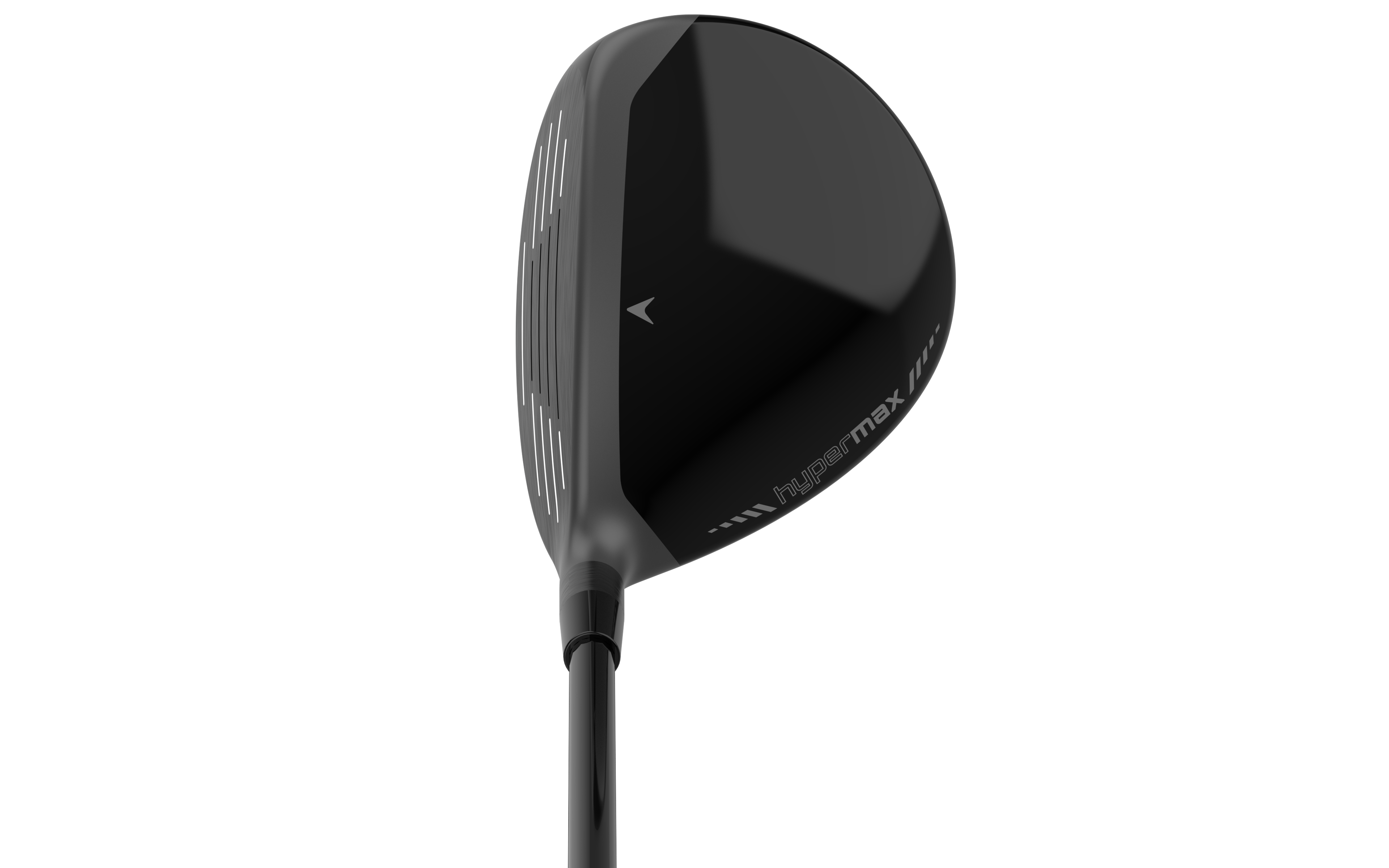
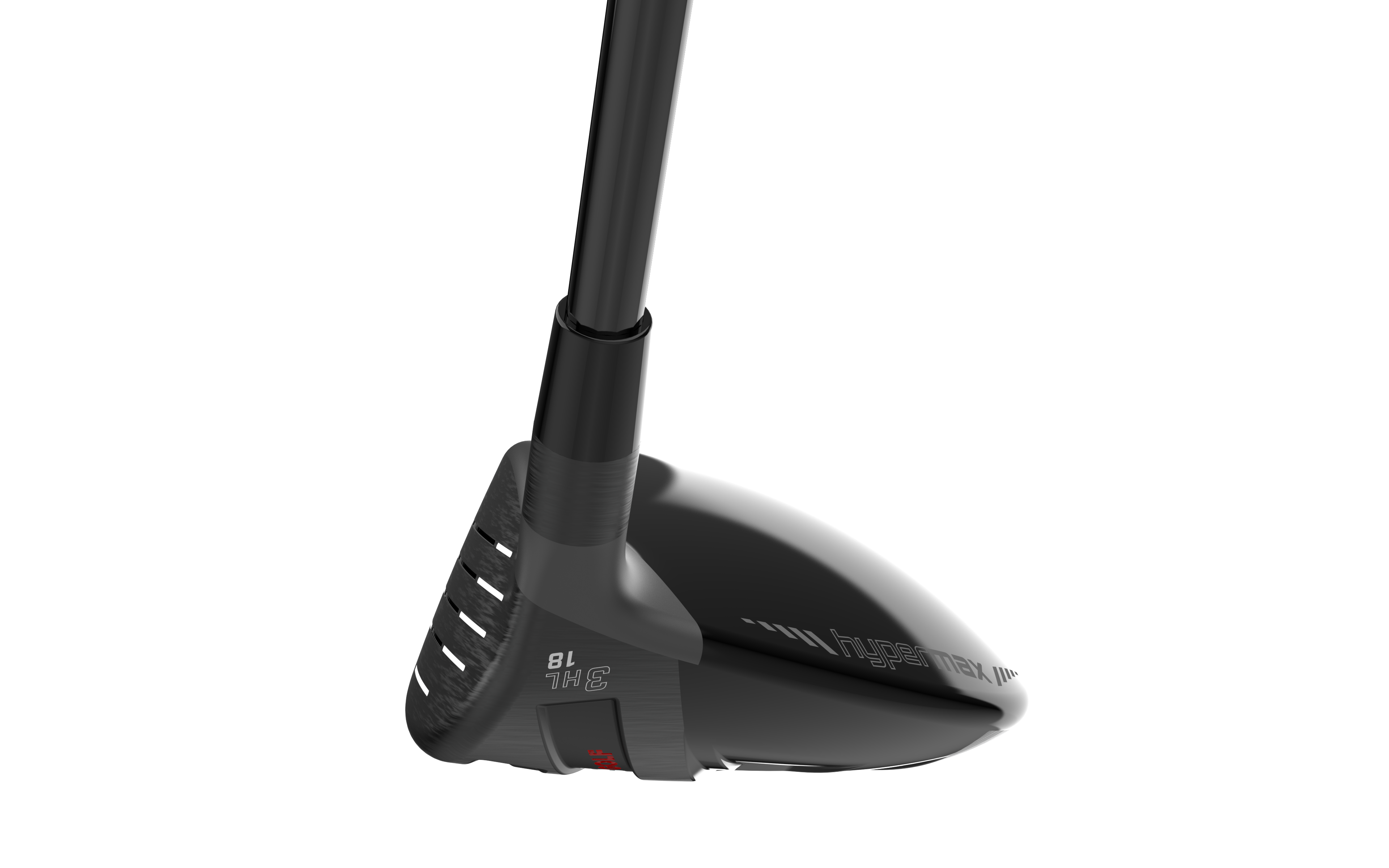
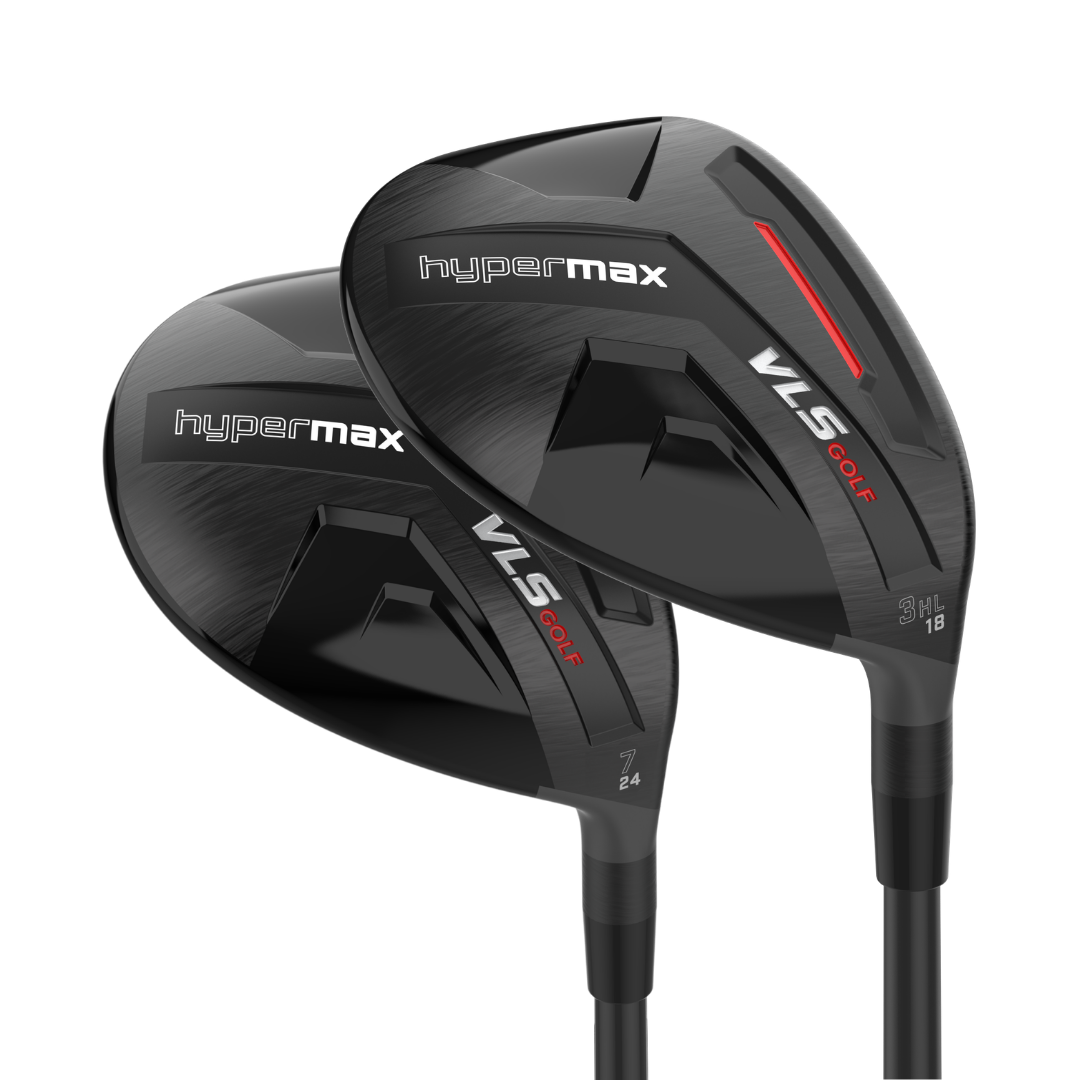
A hybrid is designed to help the ball launch more easily while offering more forgiveness than a traditional long iron. But simply putting a hybrid in your bag is not enough. You still need a senior hybrid setup and swing that allow the club to do its job.
In the video below, PGA golf professional Todd Kolb demonstrates why a hybrid can outperform a long iron at a slower swing speed. Then he shares three keys for making your hybrids work: correct ball position, a full turn, and a more vertical swing direction.\
GET TODD KOLB'S SENIOR HYBRID SETUP CHEAT SHEET HERE
Why Hybrids Work Better Than Long Irons for Many Senior Golfers
The biggest challenge for many slower-swing-speed golfers is getting enough height on a long iron.
In this side-by-side demonstration, the long iron carried about 154 yards and reached a peak height of only 22 feet. The hybrid carried approximately 177 yards and climbed to 86 feet.

This was one demonstration rather than a controlled club test, but the difference in shot shape illustrates the reason hybrids are so useful. The hybrid launched higher, stayed in the air longer, and produced more carry.
That higher flight matters for more than distance. A shot that carries farther and descends from a steeper angle has a better opportunity to hold the green. A low long-iron shot may produce plenty of total distance after it lands, but that rollout is difficult to control on an approach shot.
If your 3-, 4-, or 5-iron produces a low flight with very little separation in carry distance, a hybrid may give you a more playable option.
What Is the Correct Senior Hybrid Setup?
A hybrid sits between an iron and a fairway wood, and the strike should reflect that.
You do not want the steeper downward strike you might use with a mid-iron. You also do not want to set up as if you were hitting a driver and try to catch the ball dramatically on the upswing.
Instead, Todd teaches a shallow, sweeping strike near the bottom of the swing arc. The goal is to brush the turf as you meet the ball, allowing the hybrid's design to help launch the shot.
These three keys make that motion much easier.
Key #1: Position the Ball Off Your Shirt Logo
Ball position determines where the club reaches the bottom of its arc. If the ball is too far back, you may hit down too steeply. If it is too far forward, you may catch the turf first, top the ball, or make contact after the club has started moving upward.
For a hybrid, Todd recommends positioning the ball approximately even with the logo on your golf shirt. That places it forward of center without moving it all the way up to a driver position.
Here is a simple way to find that spot:
- Put your feet together with the golf ball centered between them.
- Take a medium step toward the target with your lead foot.
- Take a slightly larger step away from the target with your trail foot.
- Check that the ball is roughly even with the logo on your shirt.

In the video, Todd uses a three-to-five reference: about three units toward the target and five units away from it. The exact measurement is not the point. What matters is that the trail-foot step is a little larger, leaving the ball slightly forward in your stance.
From there, make a shallow swing and feel the club brush the ground as it meets the ball.
Key #2: Release the Trail Leg for a Fuller Turn
A hybrid is one of the longer clubs in your bag. To create speed with it, you need enough length and turn in your backswing.
Many experienced golfers do the opposite. They restrict their lower body, make a short backswing, and then try to create all their speed by rushing the club down from the top.
That makes solid contact more difficult and adds effort without necessarily adding speed.
Todd's solution is to let the trail leg release as you swing back. Your trail knee can change flex naturally, allowing your trail hip to turn behind you. That hip turn makes it easier for the shoulders to rotate and the club to travel through a longer backswing.
Think of the sequence this way:
- The trail leg releases.
- The hips are free to turn.
- The shoulders can make a fuller rotation.
- The club has more time and space to build speed.

You are not forcing an oversized turn or swaying away from the ball. You are simply allowing your body to move so you do not have to manufacture speed with a rushed downswing.
Key #3: Swing the Lead Arm Back and Up
Because a hybrid has a longer shaft, you naturally stand farther from the golf ball. This creates a common problem: the club and lead arm start working too far around the body.
When the backswing becomes low and around, it often gets too short. The golfer then has to pull the club down quickly, making it harder to create both speed and consistent contact.
Instead, feel your lead arm move back and up.

The arm still moves back as the body rotates, but it also gains height. This is one of the central ideas in Todd's Vertical Line Swing system. A more vertical backswing helps you create length without requiring extreme flexibility or forcing the club around your body.
Try the Lift-and-Turn Rehearsal
You can learn this motion without hitting a ball:
- Take your normal hybrid posture.
- Maintain that posture as you lift your arms.
- Turn your hips and shoulders to complete the backswing.
Rehearse the motion slowly: lift and turn.

You should feel the lead arm working above and behind you rather than disappearing low across your chest. When you combine that arm motion with the trail-leg release, the club can reach a longer, higher position at the top.
The Complete Senior Hybrid Setup Checklist
Use this checklist during your next range session:
- Start with your feet together and the ball centered.
- Take a medium step toward the target with your lead foot.
- Take a slightly larger step away from the target with your trail foot.
- Confirm that the ball is approximately even with your shirt logo.
- Set up to make a shallow, sweeping strike near the bottom of the swing arc.
- Let the trail leg release so the hips and shoulders can make a full turn.
- Feel the lead arm work back and up instead of low and around.
- Complete the backswing without rushing the transition.
- Swing through the ball and allow the club to brush the turf.
GET TODD KOLB'S SENIOR HYBRID SETUP CHEAT SHEET HERE
Begin with smooth practice swings. Your first goal is to learn the motion and find the center of the clubface. Once the setup and backswing feel comfortable, gradually add speed.
How to Know When It Is Time to Replace a Long Iron
You do not need to remove every long iron simply because you have reached a certain age. Let your ball flight and results make the decision.
Consider replacing a long iron when:
- It flies noticeably lower than the next club in your set.
- Most of its distance comes from rollout rather than carry.
- Your long irons travel nearly the same carry distance.
- You struggle to hold greens with them.
- You need an unusually perfect strike to get a useful result.
- A comparable hybrid gives you more height and consistent carry.
Compare clubs by the jobs they perform, not only by the number stamped on the sole. The right hybrid should fill a useful carry-distance gap and give you a ball flight you can use from the fairway, rough, or tee.

Common Senior Hybrid Setup Mistakes
Playing the Ball Too Far Forward
A hybrid may resemble a small fairway wood, but that does not mean the ball belongs off your lead heel. Move it back to approximately your shirt logo so you can catch it near the bottom of the arc.
Hitting Down Too Steeply
Trying to pinch the ball like a short iron can create heavy contact and a low launch. Feel a shallower, sweeping motion through the ball.
Keeping the Lower Body Too Still
Restricting the trail leg limits hip and shoulder turn. Let the leg release naturally so you can make a longer backswing without strain.
Swinging Low and Around
The longer shaft can pull your arms around your body. Feel the lead arm working back and up to create more length and a better direction.
Rushing the Downswing
A short backswing often creates the urge to accelerate suddenly from the top. Build speed through a full turn and a longer swing instead of forcing it during the transition.
Frequently Asked Questions About Senior Hybrid Setup
Where should a senior golfer position the ball for a hybrid?
Todd recommends positioning the ball roughly even with the logo on your golf shirt. This is slightly forward of center, helping you catch the ball with a shallow strike near the bottom of the swing arc.
Should you hit a hybrid like an iron or a fairway wood?
A hybrid calls for a motion between the two. Todd teaches a shallow, sweeping strike rather than the steeper downward strike used with a mid-iron or the upward strike used with a driver.
Why are hybrids easier to hit than long irons?
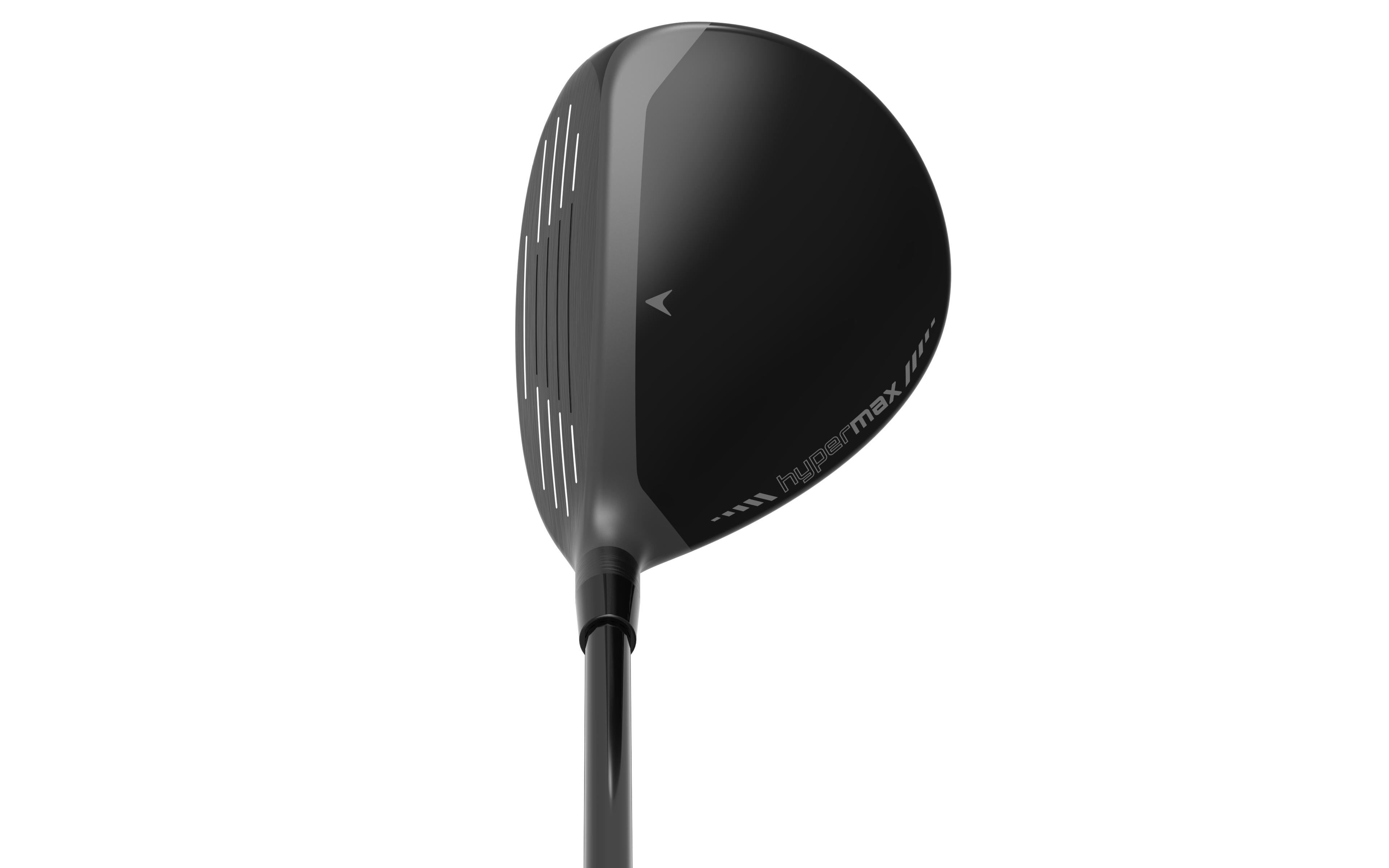
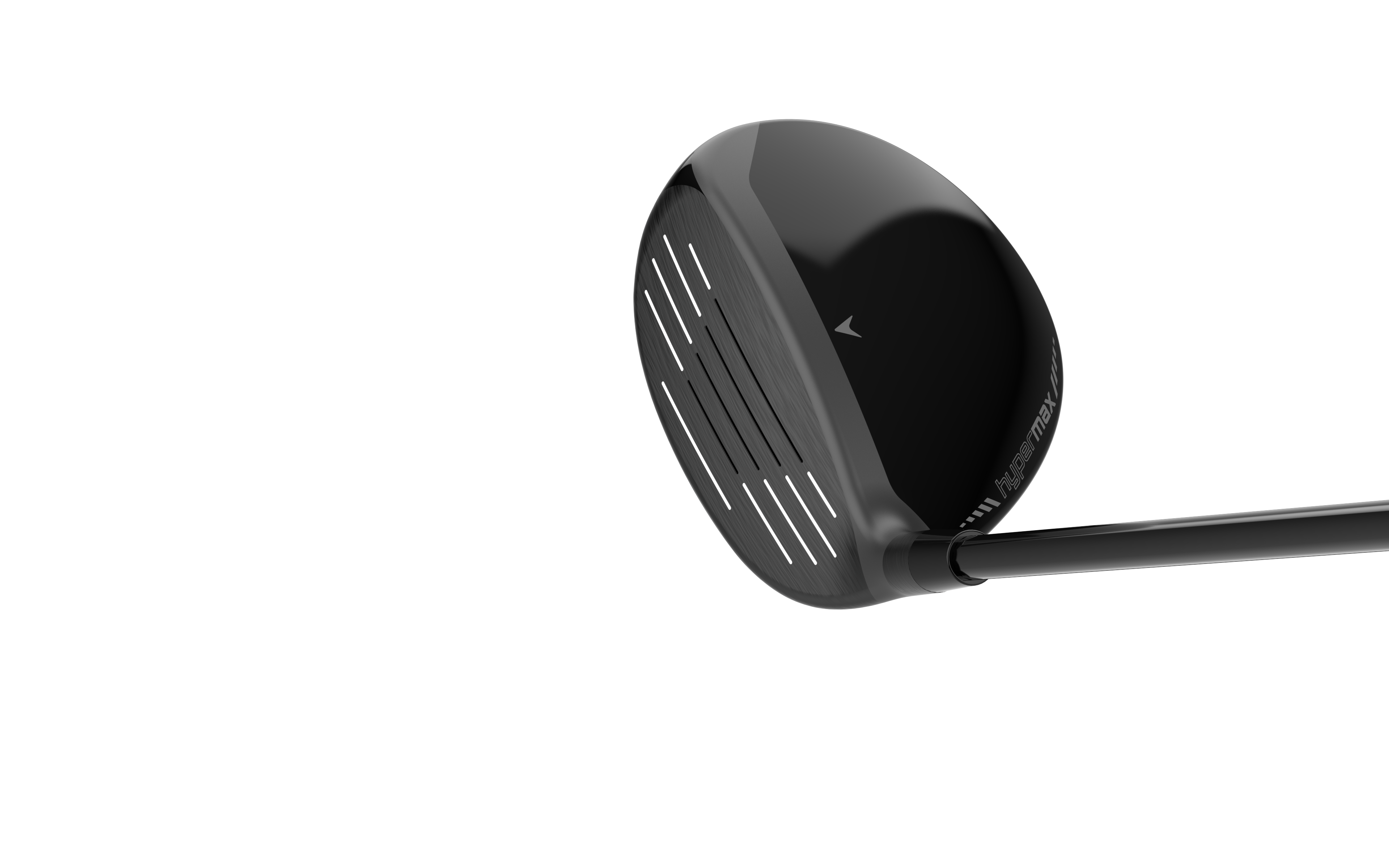
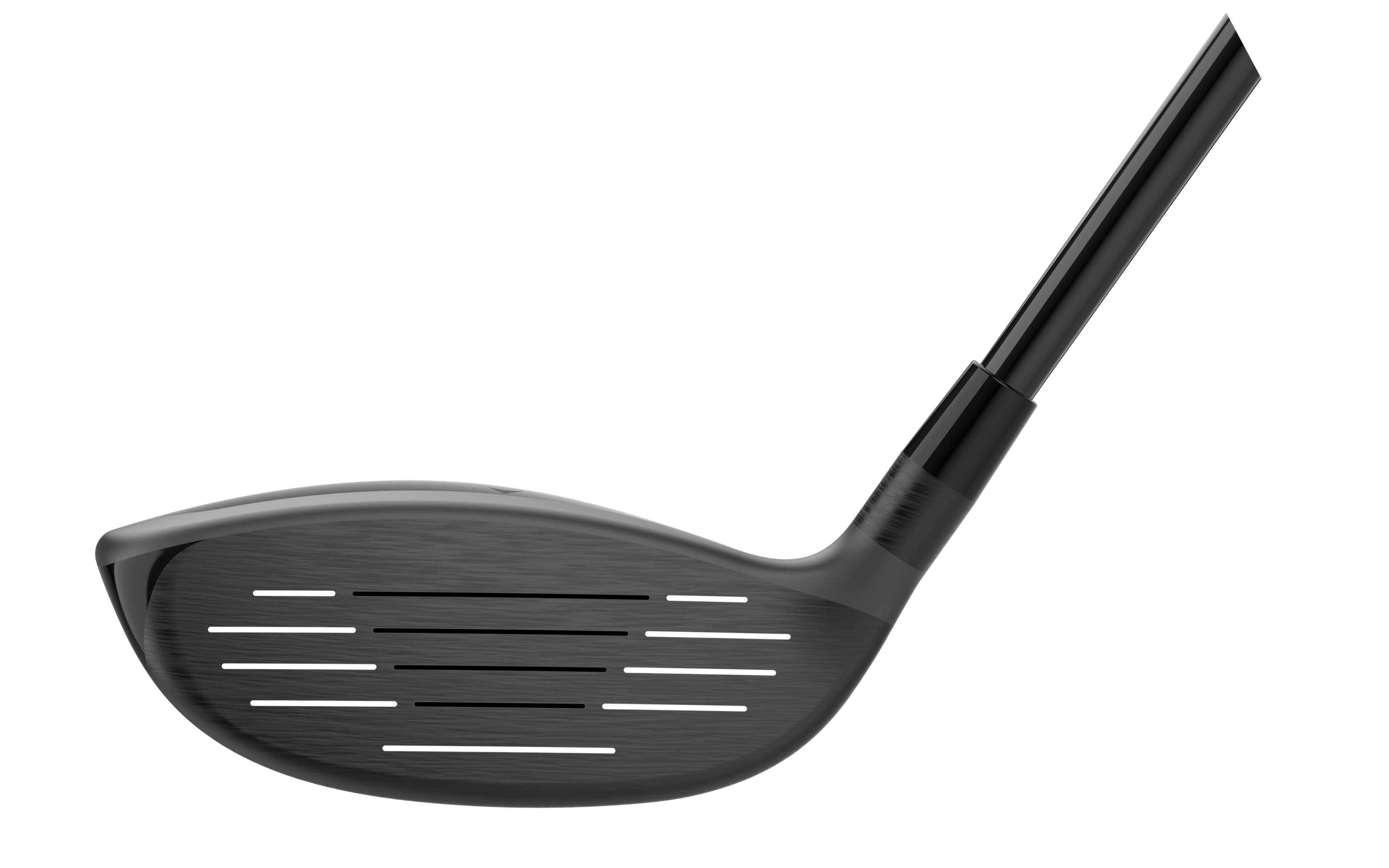
Hybrids are generally designed with a wider sole and a center of gravity that helps the ball launch more easily. For golfers with slower swing speeds, that can produce more height, carry, and forgiveness than a traditional long iron.
Which long irons should a senior golfer replace with hybrids?
There is no universal cutoff. Start with the long irons that fly too low, overlap in carry distance, or require an unusually precise strike. Many golfers begin by comparing hybrids with their 3-, 4-, or 5-irons.
How can I generate more hybrid distance without swinging harder?
Allow the trail leg to release so the hips and shoulders can make a fuller turn, then feel the lead arm work back and up. A longer, better-sequenced backswing can help create clubhead speed without a rushed downswing.
Make Your Hybrid Work for Your Swing
A hybrid can be one of the most useful clubs in an experienced golfer's bag—but only when the setup and swing match the shot you are trying to create.
Remember the three essentials:
- Position the ball off the logo on your shirt.
- Release the trail leg to create a fuller turn.
- Swing the lead arm back and up.
These adjustments give you a better opportunity to sweep the ball cleanly, launch it higher, and create useful carry without trying to overpower the swing.

If you would like Todd and the VLS Golf team to help you apply these ideas to your own game, learn more about VLS Coaching. Members receive personalized swing feedback, live coaching opportunities, access to the VLS training library, and direct support from a team that understands the experienced golfer's swing.


Share:
3 Secrets to a Perfect Golf Swing and Effortless Power
How to Putt Better by Perfecting Your Aim