

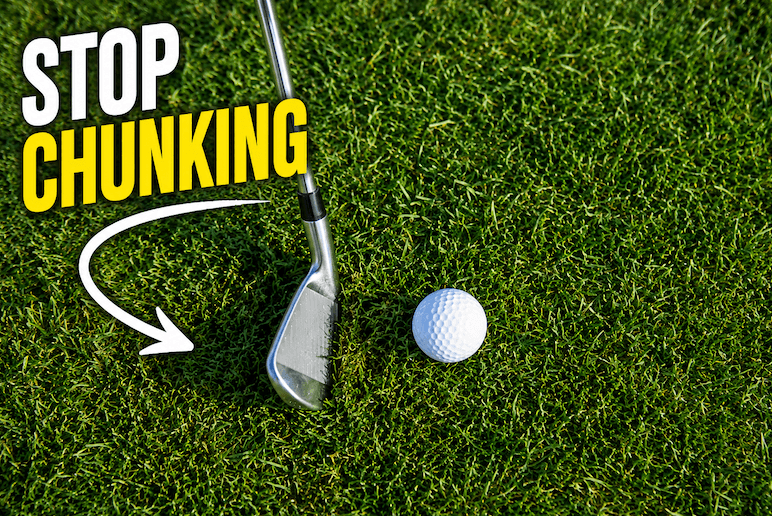
Golf Low Point: The Simple Lead Arm Fix That Helps You Strike the Ball First
If you struggle with fat shots, chunks, or constantly hitting behind the golf ball, chances are your golf low point is happening too early.
Most golfers assume the problem is weight shift, head movement, or trying to "stay down." While those issues can contribute, there's another piece that's often overlooked...
The direction your lead arm travels during the backswing.
This was exactly the problem one of Todd Kolb's students faced. No matter what he tried, his club kept bottoming out behind the golf ball.
Then they made one simple adjustment.
Within just a few swings, Barry's contact changed completely.
Here's why it worked—and how you can use the same concept to improve your own ball striking.
What Is Golf Low Point?
The golf low point is the lowest point of your golf swing arc.
For iron shots, that low point should occur slightly in front of the golf ball, allowing the club to strike the ball first and then the turf.
When your low point happens behind the ball, you'll typically see:
-
Fat shots
-
Chunked irons
-
Heavy divots behind the ball
-
Inconsistent distance
-
Thin shots as you begin trying to avoid hitting the ground
Many golfers spend years chasing fixes without ever addressing what's actually controlling where the club reaches the ground.
The Hidden Relationship Between Your Lead Arm and Golf Low Point
One of the biggest misconceptions in golf instruction is that low point is controlled entirely by shifting your weight.
Weight shift certainly matters.
But the direction your lead arm travels during the backswing has a huge influence on where the club returns to the ground.

Todd explains it this way:
-
When the lead arm works around your body, the club tends to shallow too early and reaches the ground behind the ball.
-
When the lead arm works up and across your chest, the club returns to the ball more vertically, allowing the low point to move forward.
It's a simple concept—but for Barry, it completely changed his ball striking.
Step 1: Learn That Your Arms Can Move Up
Many experienced golfers have been taught to swing the club low and around their body.
The problem?
Their arms stop working vertically.
Todd's first drill is incredibly simple.
Stand upright without a club and simply raise your arms overhead.

That's it.
The goal isn't to make a golf swing.
It's to remind yourself that your arms are capable of moving upward—not just around your body.
This is one of the foundational ideas behind the Vertical Line Swing.
The arms move up. The body turns around them.
Step 2: Lift the Arms Without Standing Up
Next, grab your golf club and get into your normal posture.
Now repeat the same feeling.
Lift your arms.
But keep your posture exactly where it started.
The key is understanding the difference between:
❌ Lifting your body
vs.
✅ Lifting your arms

Once Barry learned this distinction, his hands immediately moved into a much better backswing position.
Instead of getting trapped behind him, they were now higher and more centered over his body.
That change alone dramatically improved where his club entered the ground.
Step 3: Add Your Body Turn
Now combine the first two pieces.
-
Maintain your posture.
-
Lift your arms.
-
Then rotate your body.
Notice the order.

Many golfers turn first and simply drag the club around their body.
Todd teaches the opposite sequence.
The arms create the structure.
The body supplies the rotation.
When Barry combined those three movements, his low point immediately shifted forward.
Instead of striking behind the ball, he started compressing the golf ball first.
Why This Works
The lead arm influences the entire geometry of the golf swing.
When it stays low and works behind your body:
-
The club gets trapped behind you.
-
The club bottoms out early.
-
Contact becomes inconsistent.
When the lead arm works upward while the body rotates naturally:
-
The club approaches the ball from a stronger position.
-
The swing arc moves forward.
-
The golf low point occurs where it should—in front of the golf ball.

This isn't about forcing a steeper swing.
It's about putting your body and club in a position where solid contact happens naturally.
Want Even Better Ball Striking? Start With Low Point Control
If improving your golf low point is your biggest priority, it's worth learning the underlying skills that control it.
Our Pure Ball First Contact Series is built entirely around helping golfers control where the club meets the ground.
Instead of focusing on complicated swing thoughts, you'll learn the simple drills Todd uses with coaching students to create ball-first contact more consistently.
Whether you struggle with fat shots, thin shots, or inconsistent irons, mastering low point is one of the fastest ways to become a more reliable ball striker.
👉 Explore the Pure Ball First Contact Series here
Real Student Results
Barry didn't need a completely new golf swing.
He simply needed to understand what was controlling his contact.
After working with Todd, he not only began striking the ball much more consistently—he rediscovered his enjoyment of the game.
"He's made golf fun again. I used to go to the range and it felt like a chore. It's not a chore anymore. I'm better, I'm playing better, I'm having more fun. And that's because of Todd." — Barry
That's the power of understanding the right movement instead of endlessly searching for another swing tip.
More Golf Swing Tips for Better Contact
Improving your golf low point is one of the quickest ways to become a more consistent ball striker, but it's only one piece of building a repeatable swing.
If you're looking for additional fundamentals that help experienced golfers make more solid contact, be sure to read our guide:
Top 5 Golf Swing Tips for Seniors
It covers setup, backswing, and swing fundamentals that pair perfectly with the lead arm concept you've learned here.
Frequently Asked Questions
What is golf low point?
Golf low point is the lowest point of your swing arc. For iron shots, it should occur slightly in front of the golf ball so you strike the ball first and then the turf.
Why do I keep hitting behind the golf ball?
Hitting behind the ball usually means your low point is occurring too early. While weight shift can contribute, poor lead arm direction during the backswing can also cause the club to bottom out before reaching the ball.
How do I move my golf low point forward?
One of the easiest ways is to improve the direction of your lead arm during the backswing. Allow the arms to work up while maintaining posture, then add body rotation. This helps position the club to strike the ball before the ground.
Does the Vertical Line Swing help with low point?
Yes. The Vertical Line Swing teaches the arms to work more vertically while the body rotates around them. This promotes more consistent ball-first contact and helps golfers naturally move their low point forward.





Share:
How to Hit Fairway Woods: Get That High Draw Every Time
3 Highly Effective Chipping Tips You Won’t Hear Anywhere Else