

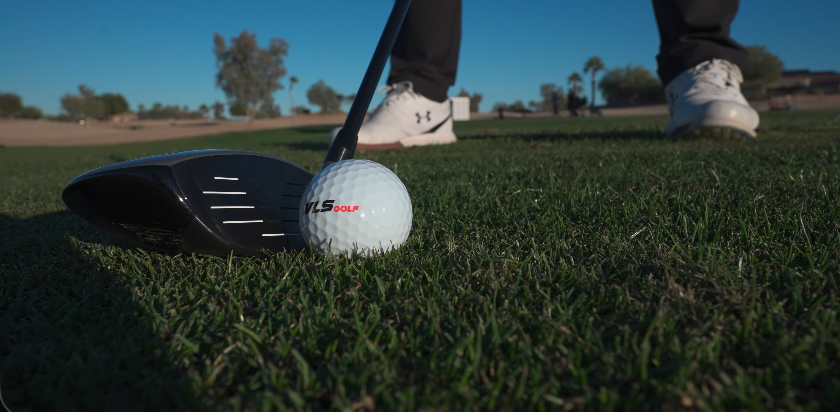
If you want to hit a nice, high draw with your fairway wood, the secret is in your setup.
And it’s not what you’d expect. In fact, you’ll probably give me some side-eye on two of the three setup tips I’m about to give you.
Stick with me, anyway. I’ll explain why these unconventional strategies are an amateur golfer’s best bet for hitting a high draw with their fairway wood. Once you try it for yourself, you’ll never go back to your old setup.
How to Hit Fairway Woods: Key Takeaways
-
The formula for hitting a draw with your fairway wood is a square clubface combined with an in-to-out swing path.
-
Square your clubface correctly by raising it to eye level, aiming, then setting it back down.
-
Close your feet to the target line to encourage an inside-to-out swing path, which promotes a draw ball flight.
-
Close your shoulders to the target line by bringing your lead shoulder slightly closer to the ball.
-
Bonus Tip: Choose an amateur-friendly fairway wood that naturally sits square at address and is designed to promote a draw.
How Do You Hit a Draw With a Fairway Wood?
When you’re trying to hit a draw with your fairway wood, you essentially want to accomplish two simple objectives:
-
Keep the clubface square
-
Execute an inside-to-out swing path
That’s your formula for a nice, high draw.
Now, there are three things you can do in the setup to promote those objectives. Let’s take a look, starting with the obvious one:
1. Square the Clubface
You probably didn’t need me to tell you that you should square the clubface to the target path in your setup.
What you might not realize, however, is how easy it is to mistake an open clubface for a square one.
For one thing, you’ve got curvature on the clubface, which makes it difficult to judge your aim. Then you’ve got the rounded bottom. That causes the clubhead to naturally rotate open.
My best advice for ensuring a square clubface is to raise your club, bringing the clubhead to eye level and squaring it to the target line from that position. I often find that it helps to close one eye as I do this.

When you inspect your aim from this position, you get a more straight-on, accurate view of the clubface’s orientation. When it’s on the ground, you’re stuck judging it from the side, further complicating the optical illusion caused by all those curves.
Once you’re confident you’ve got the face square, lower the club back down to setup position.
2. Close Your Feet to the Target
This is where you’re gonna think I’m crazy, but just trust me on this.
To encourage an inside-to-out swing path, close your feet to the target line.
This won’t mess up your aim. Remember, you just did all that work to make sure the face is square. Closing your stance simply promotes the swing path you need for a draw.
Now, this closed stance doesn’t need to be extreme. To find the perfect position, I usually encourage my students to do this:
-
Stand with your feet together and your toes square to the target line.
-
Step your lead foot toward the target and slightly toward the ball.
-
Step your trail foot away from the target.

3. Close Your Shoulders to the Target
It’s not just about your feet. You want your whole body in a closed position, which means we’ve got to get your shoulders closed to the target as well.
To do this, bring your lead shoulder forward (toward the ball) just slightly. This forces your trail shoulder to go back a bit.
Check your full stance before you make your swing. Your feet, hips, and shoulders should be closed to the target, and your clubface should be square to the target line.

If all those checkpoints are in place, you’ve got a good shot at hitting a nice, high draw.
What’s the Best Fairway Wood for Amateur Golfers?
There is one challenge even the best techniques can’t save you from, and that’s your club’s design.
The big-name clubmakers design all their equipment to get the best possible performance for professional golfers. The problem is that professional golfers are working with an entirely different set of skills. If you don’t have their swing speed and precision, you’re not going to get the same results with their equipment.
One clear example of this is the fact that traditional fairway woods naturally sit open at address. They’re designed to do that, because tour players have an easier time controlling a cut at their swing speed.
For anyone who can’t match their speed, that open face orientation is gonna cause a slice.
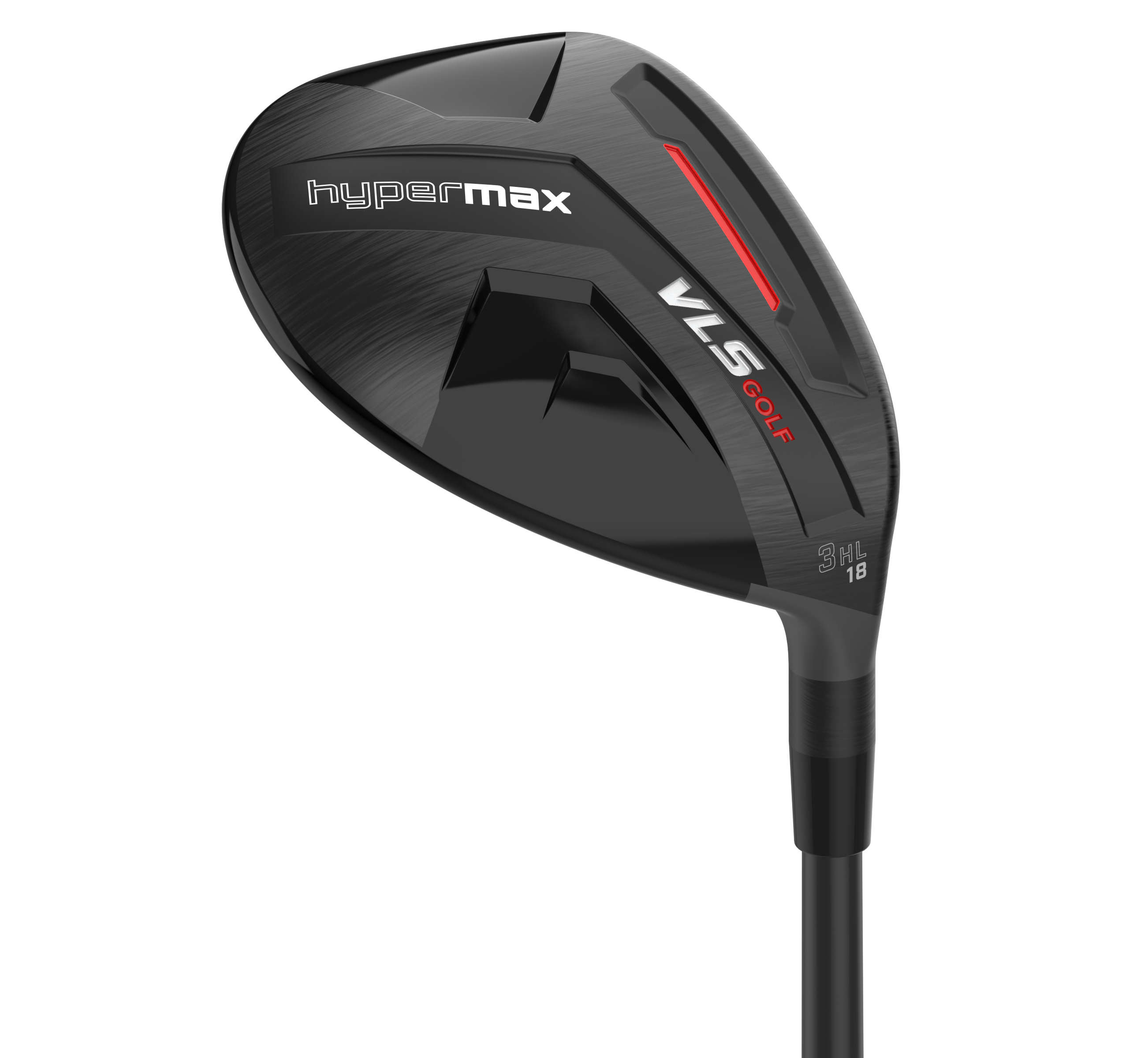
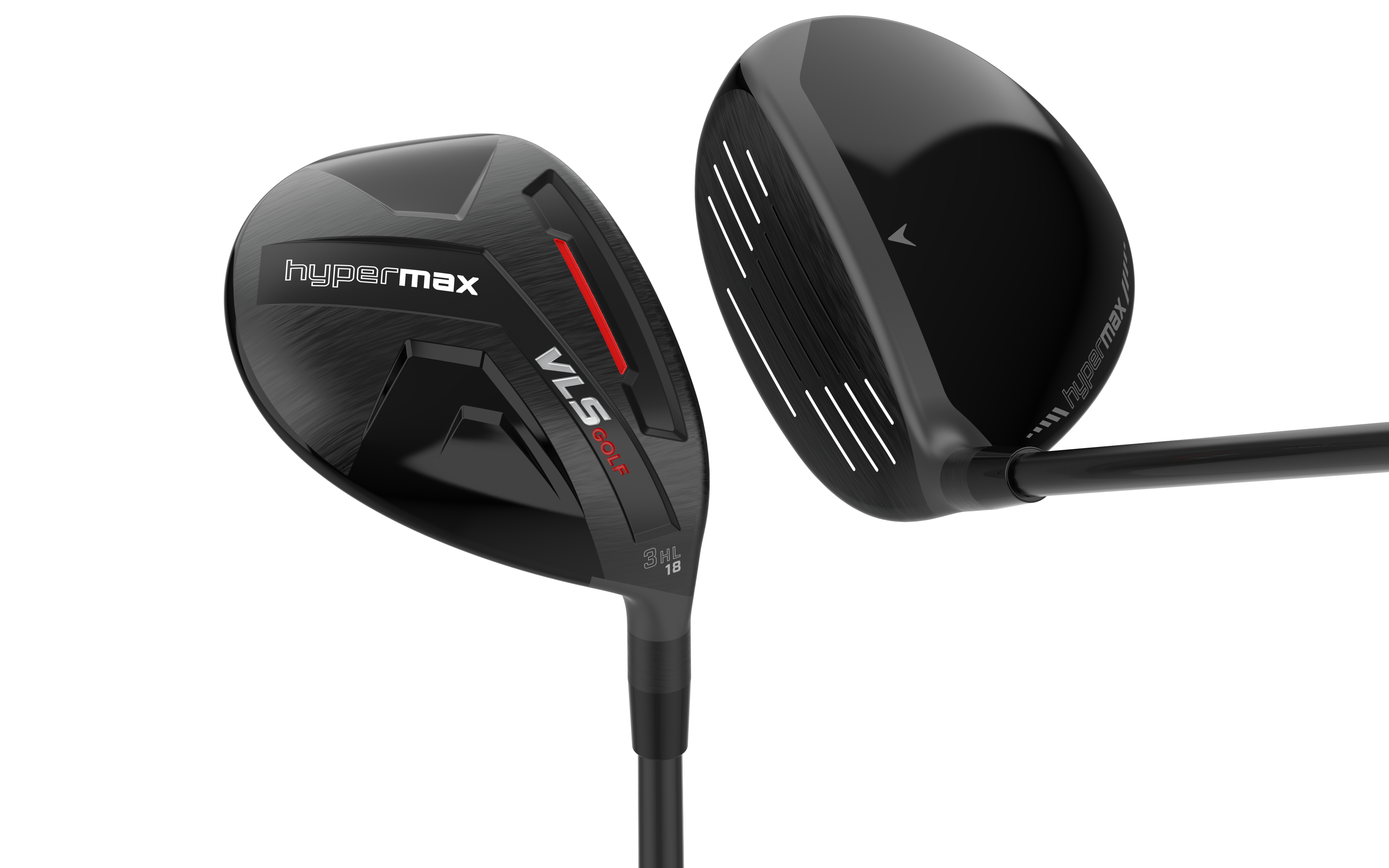
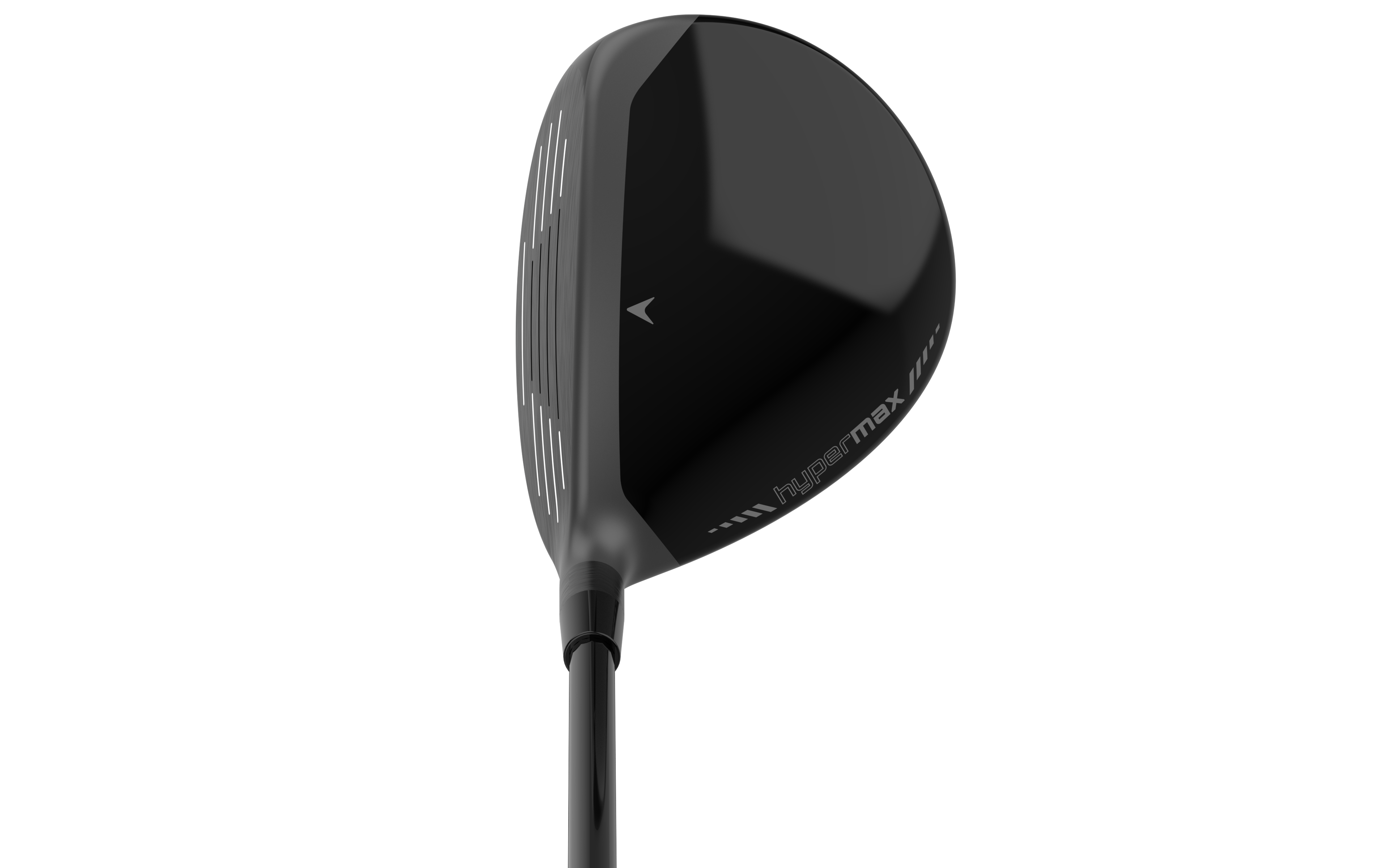
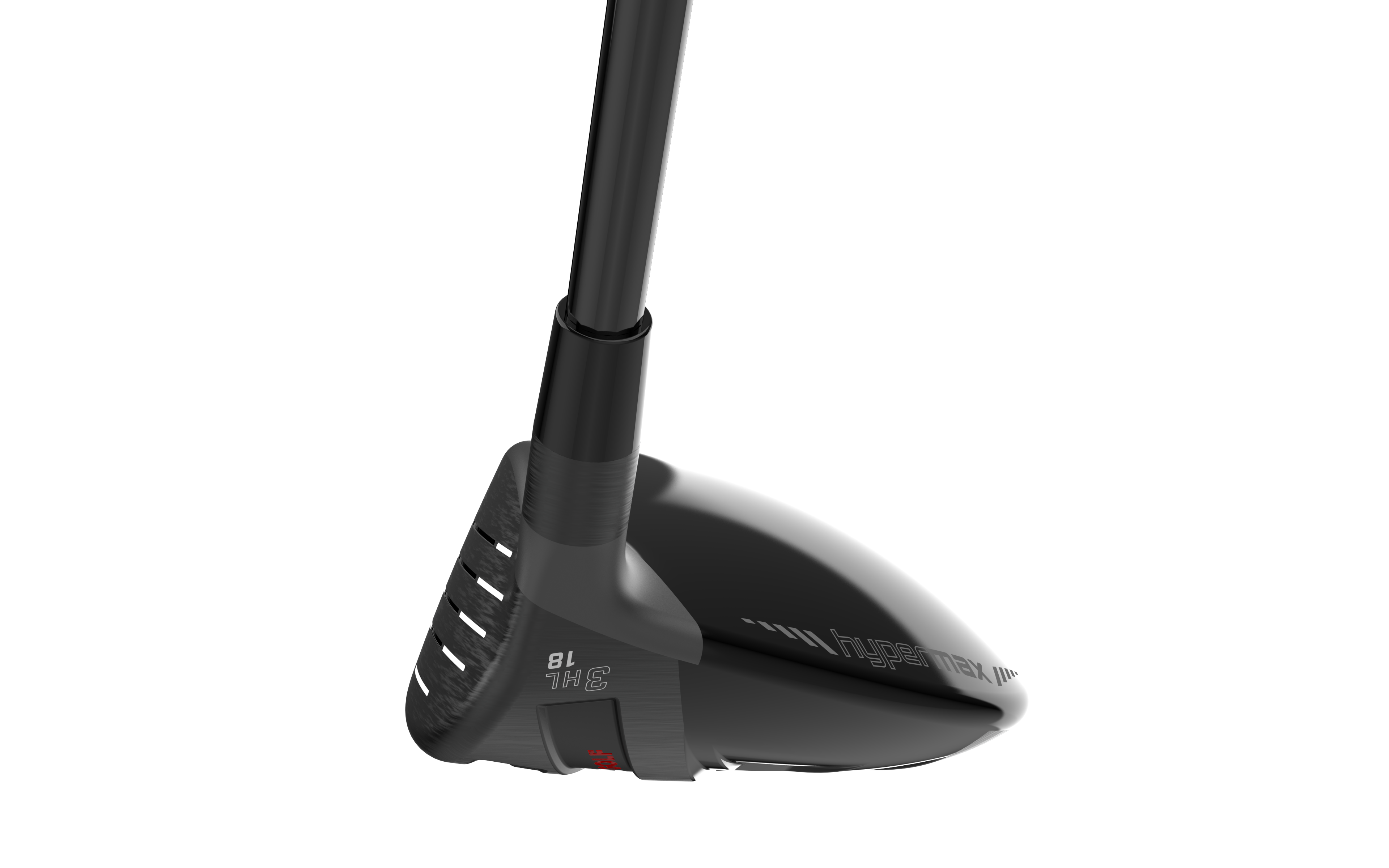
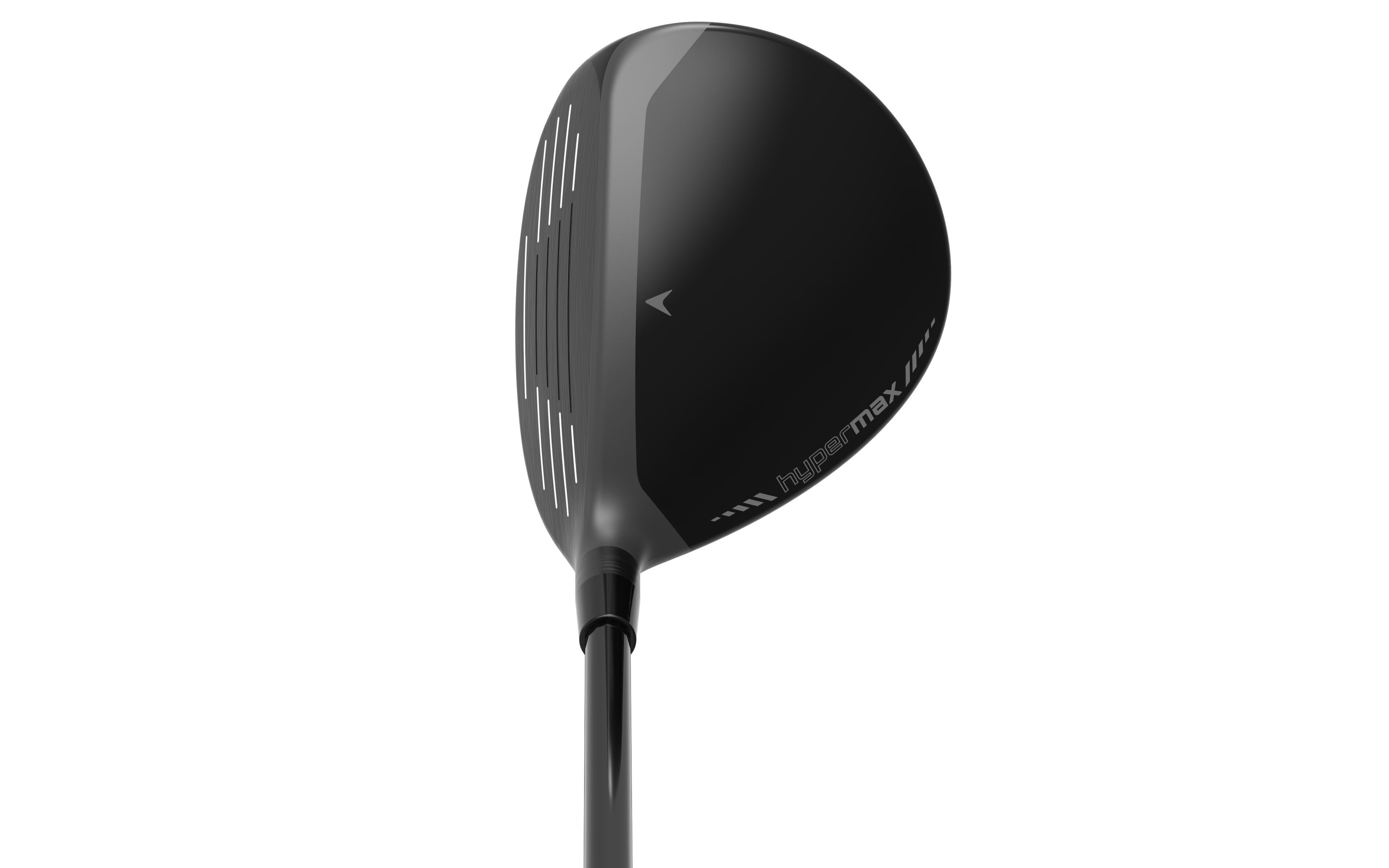
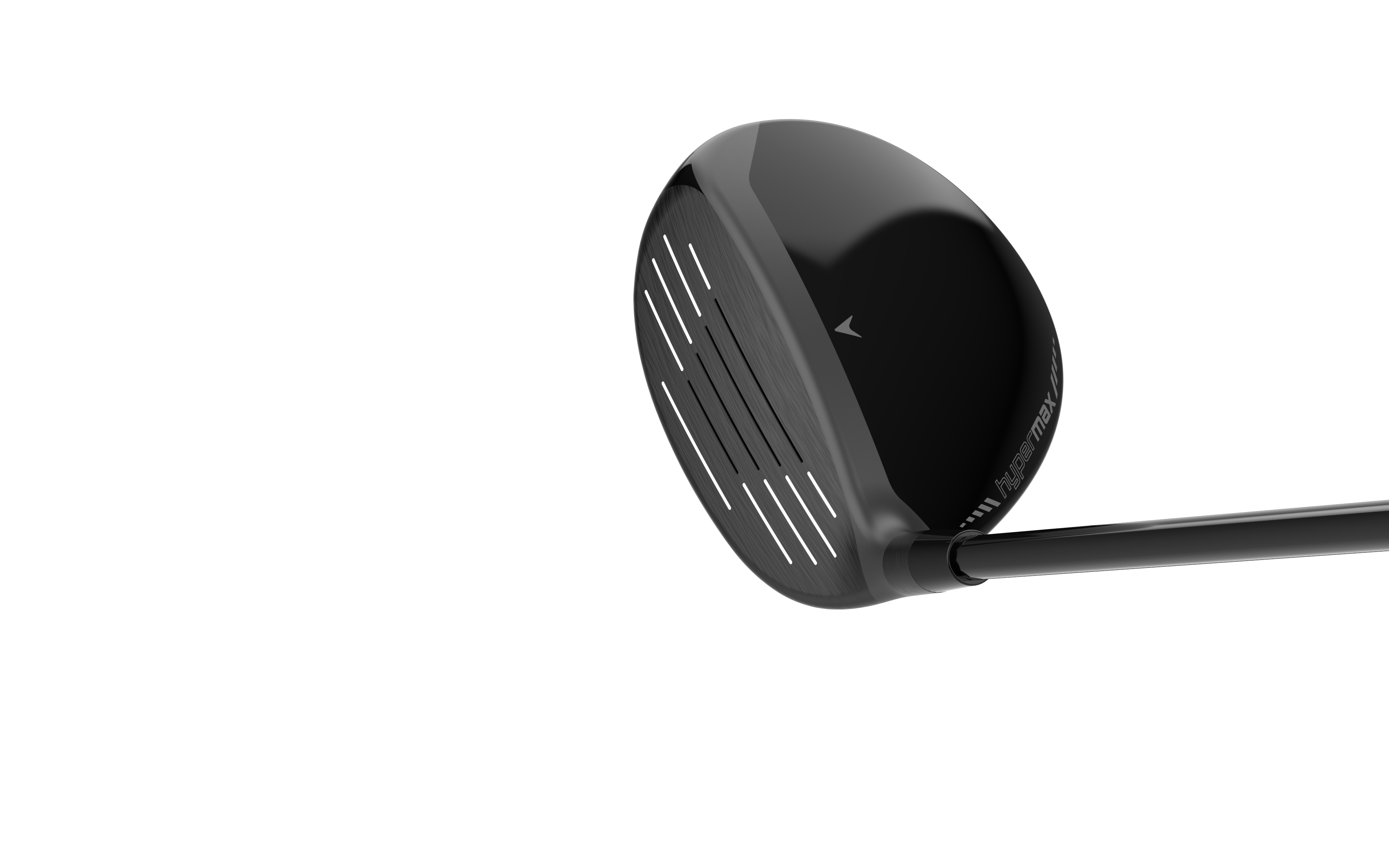
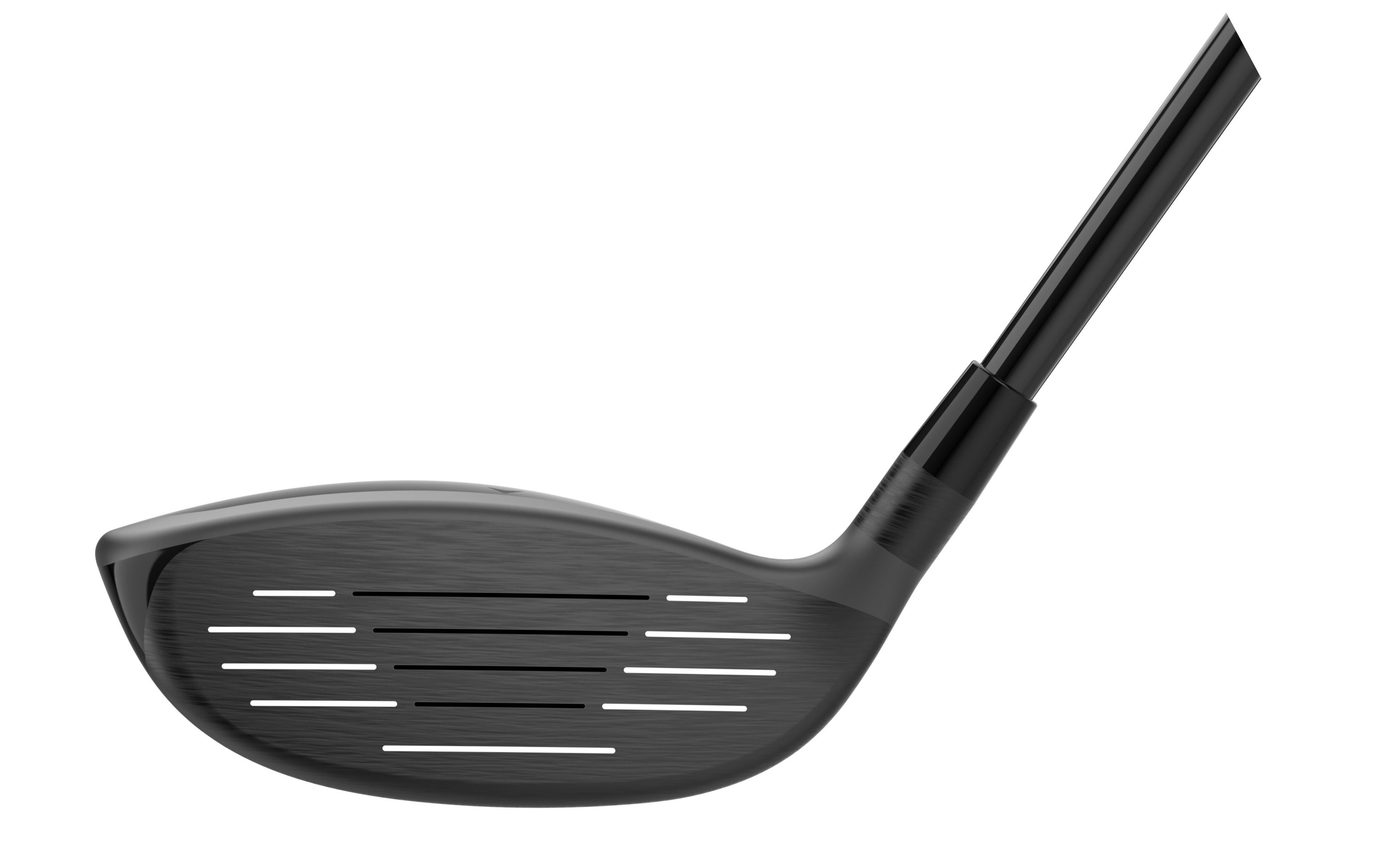
One of the best things you can do to improve your fairway wood shots is to get a club that was designed for your swing. For that, I recommend the Hypermax Hyway Wood. It’s the only fairway wood that I know for a fact was designed specifically for amateur and senior golfers. Tour players never entered the equation.

You can learn more about what that means in this review, but the short version is that this is a draw-biased fairway wood that achieves effortless launch with slower swing speeds.
You really can’t miss with this club. Follow this link to try the Hypermax risk-free for 180 days.
About the Author
PGA Teaching Professional Todd Kolb is a five-time Golf Digest Best-in-State Instructor, Amazon Best-selling Author, and Minnesota PGA Teacher of the Year. In over 30 years of coaching, he’s worked with from newbies to an LPGA major champion. He’s currently the Director of Instruction for VLS Golf and USGolfTV and dedicates his efforts to helping the everyday golfer cut through overcomplicated traditional instruction to find solutions that actually work for them.



Share:
Reclaim Lost Yards With This Simple Golf Swing for Seniors
Golf Low Point: How to Stop Hitting Behind the Ball