

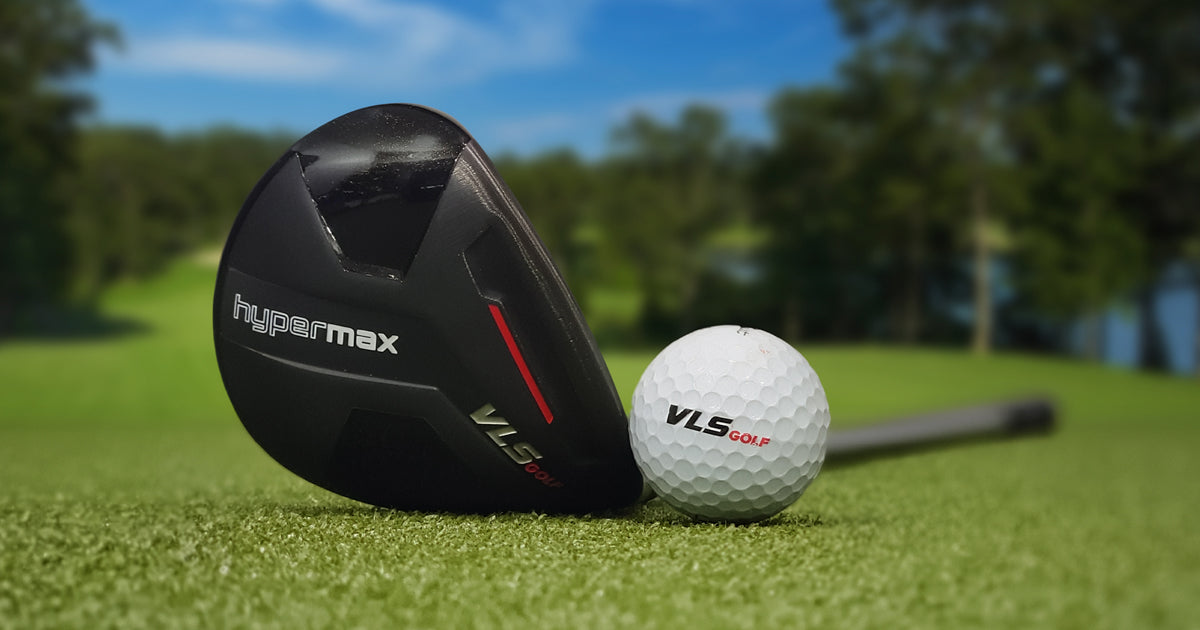
You can workshop your fairway wood swing within an inch of its life, but you’re not going to see the improvement you’re capable of until you dial in your setup.
I’m going to teach you the same five-second setup routine I teach all my students. I’ve seen countless golfers instantly improve their contact with this routine, and if you try it for yourself, you’re likely to add as many as 20 extra yards.
Sound good? Let’s dive in.
The Best Setup for Your Fairway Wood Swing: Key Takeaways
Here’s the short version:
-
To set up for a successful fairway wood shot:
-
Position your hands below your shoulders.
-
Square both your clubface and your feet to the target.
-
Position the golf ball between the buttons and logo of your golf shirt.
-
To really improve your fairway wood shots, swap your current club for one specifically designed for amateur and senior golfers.
The 5-Second Setup Routine for Fairway Woods
When you’re learning how to hit fairway woods, the first thing you’ve got to understand is that you can’t treat this club the same as your driver or irons.
A fairway wood is shorter than your driver, longer than your iron, and comes with an entirely different goal.
As you likely know, when you hit an iron, you want to make ball-first contact, hitting the ball before you make contact with the turf. In order to do this, you have to make impact at a downward angle, before you reach the low point of your golf swing.
For a driver, you want to hit up on that ball. That’s why you tee it up to begin with. This means you don’t want to make contact until after the low point of your swing, when the clubhead is moving upward again.
For a fairway wood, however, you want to hit through the ball, making contact right at the low point. This requires an entirely different setup—one you can perfect in three quick steps.
Step 1: Position Your Hands Below Your Shoulders
This is the easiest step in the whole routine. When you’re in your setup position, your hands should naturally fall directly below your shoulders.
This simple checkpoint tells you if you’re the right distance from the ball.

Step 2: Aim Your Clubface and Your Feet
I’ll be honest: Aiming a fairway wood is not easy. The curvature of the clubface makes it really tough to judge your face orientation. It also doesn’t help that traditional fairway woods are made to sit open at address. (This is because the pros have an easier time controlling a cut at their swing speed. That’s not the case for the everyday golfer, though.)
I often recommend lifting the clubhead to eye level and aiming from that position. (Closing one eye might help.) This helps you square the face more accurately. Once you’ve got it aimed, set the club back down behind the golf ball.
But don’t just focus on the clubface. When you’re preparing for a fairway wood swing, you also want to make sure your toes are in a straight line relative to the target line. This means they’re square to the target. If your stance is open (lead foot farther back) or closed (trail foot farther back), you’re going to have problems.
It might help to start with your feet together so you can clearly see that your toes are in alignment. Then you can step your lead foot toward the target and your trail foot away from the target to get back into your golf stance.

Step 3: Fix Your Ball Position
For a fairway wood swing, you want the ball in a different position than you’d have it in for your iron or driver setup.
Remember, you’re working with a different goal now. For a fairway wood, you want to make contact with the ball right at the bottom of your swing’s arc. That means you need to position the ball where you expect the low point to land.
The proper ball position for a fairway wood shot is between the buttons and logo of your golf shirt.
Here’s how I teach my students to find that position:
-
Stand with your feet together and the ball in the center of your feet.
-
Step your lead foot 2-3” toward the target.
-
Take a larger step away from the target with your trail foot. The exact distance doesn’t matter. Just find a comfortable stance width.
-
Check that the ball is between the buttons and logo of your golf shirt. (It should be.)
That’s it. Do these three things every time you set up for your fairway wood swing, and I guarantee you’ll start getting better contact and a lot more distance.

Now, if you’re looking for another way to see quick improvement in your shots, I’ve got one more suggestion for you…
The Best Fairway Wood for Amateur Golfers
I’ll be honest with you: Learning how to hit a fairway wood will only get you so far. There are some obstacles you just can’t get around as an amateur golfer.
You can’t dedicate your life to practicing the game the way a professional golfer does. You don’t have a team of world-class coaches and sports therapists to guide your game and help you recover when you give it everything you’ve got.
And if you’re a senior golfer, you’re dealing with diminishing flexibility, strength, and balance.
Now, none of this would matter if your fairway wood was actually designed for the way you play the game. Unfortunately, all the big-name clubmakers engineer their clubs for tour players. These clubs have all kinds of brilliant features that only get results for elite athletes at the top of their game.
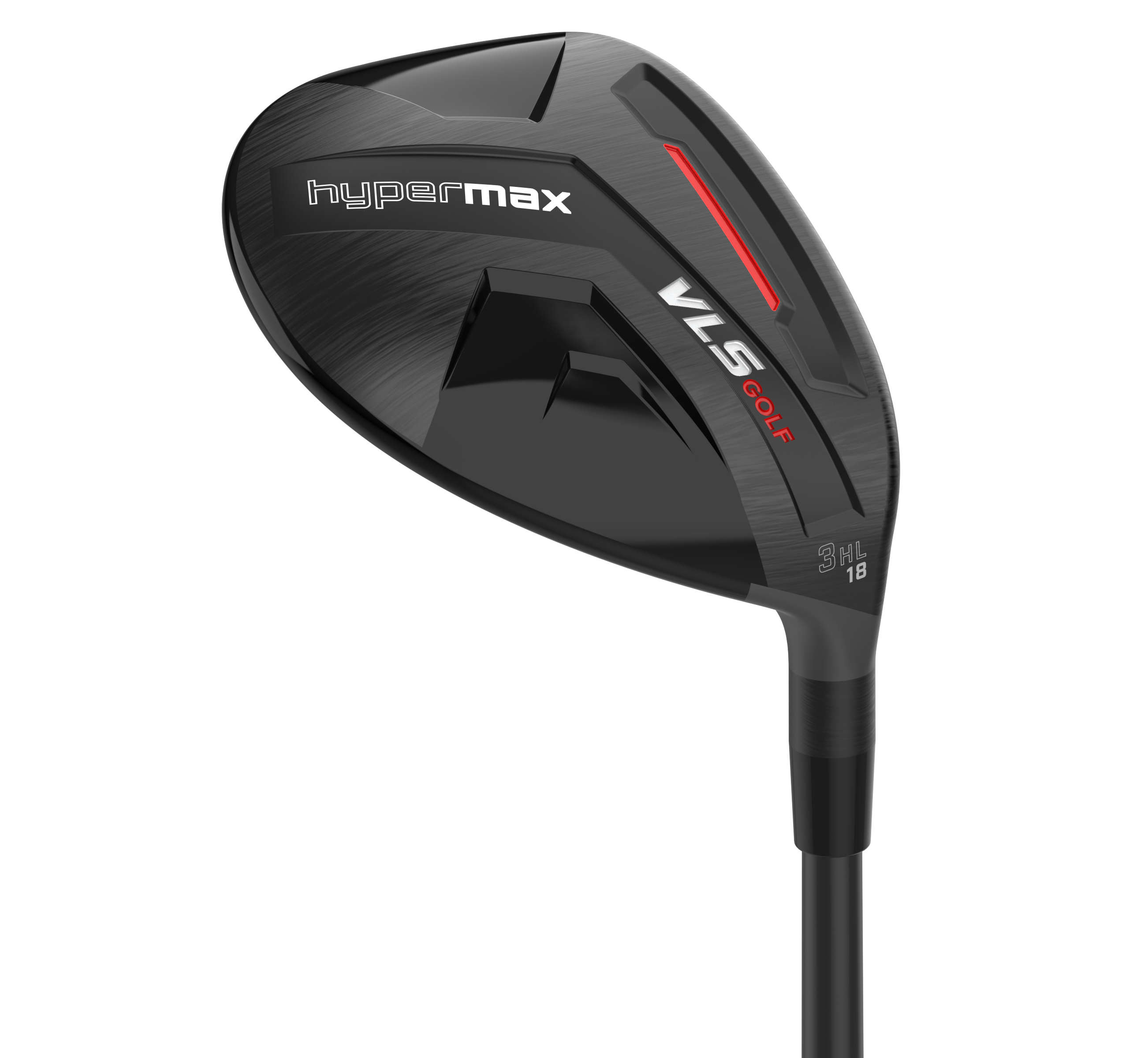
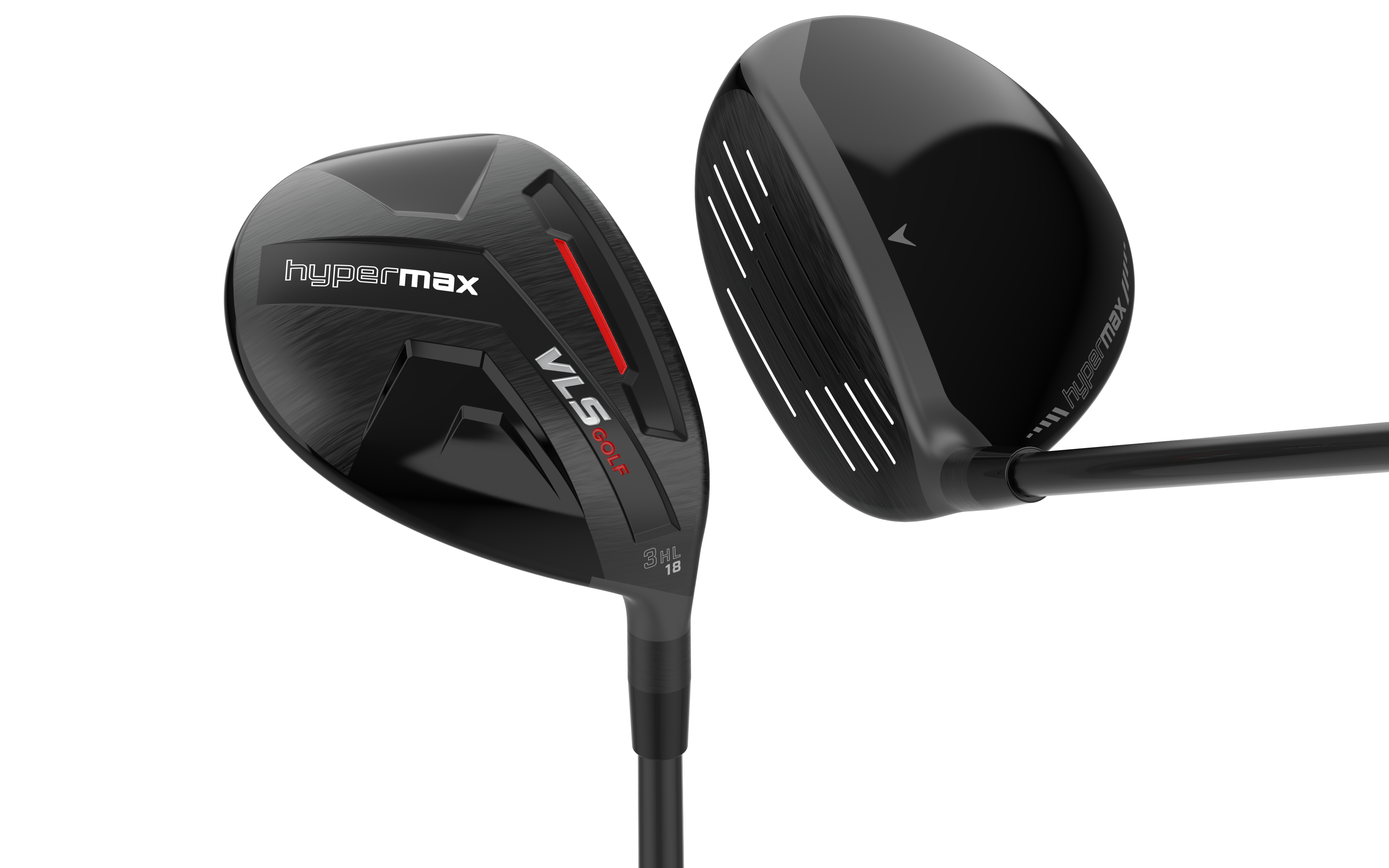
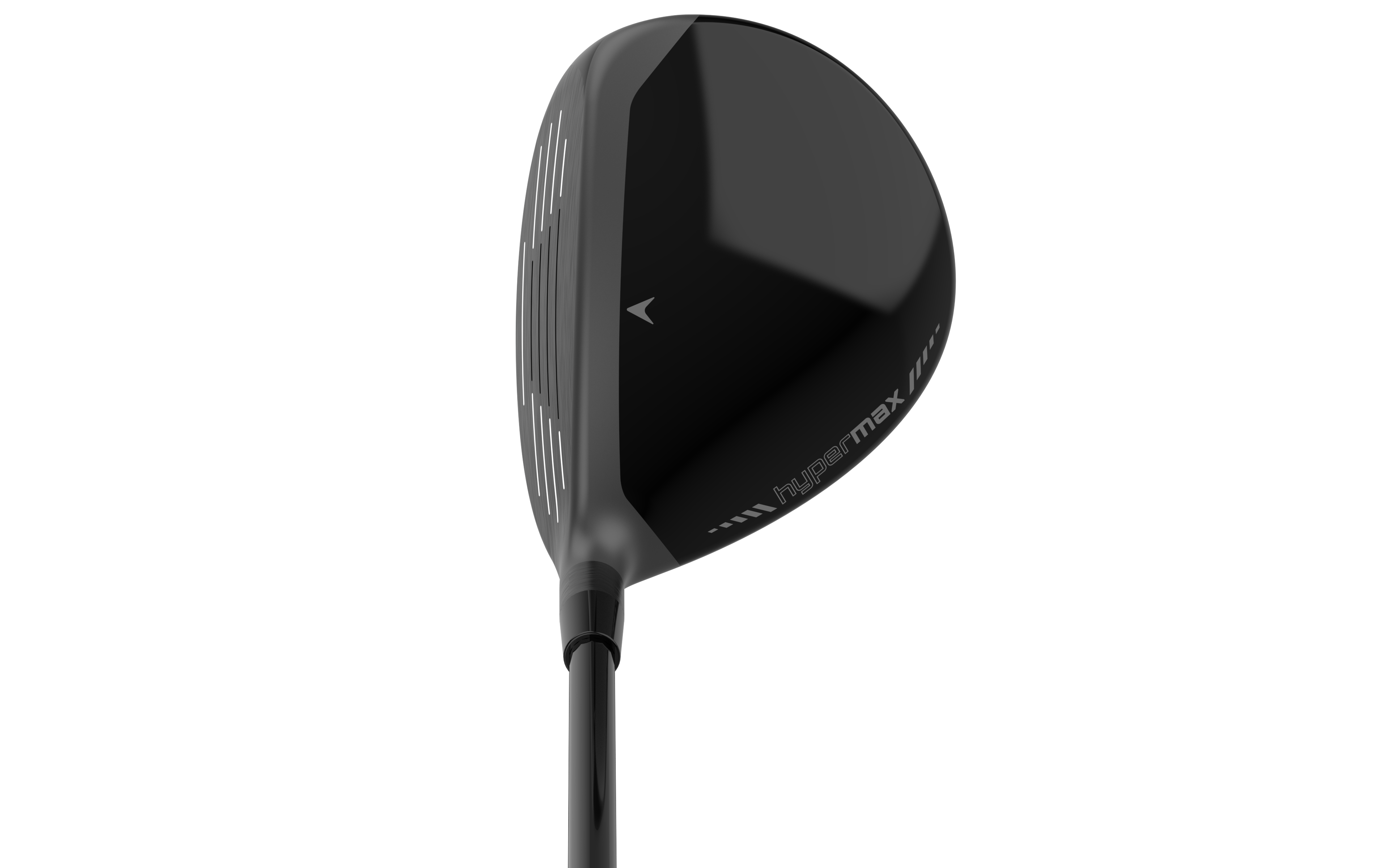
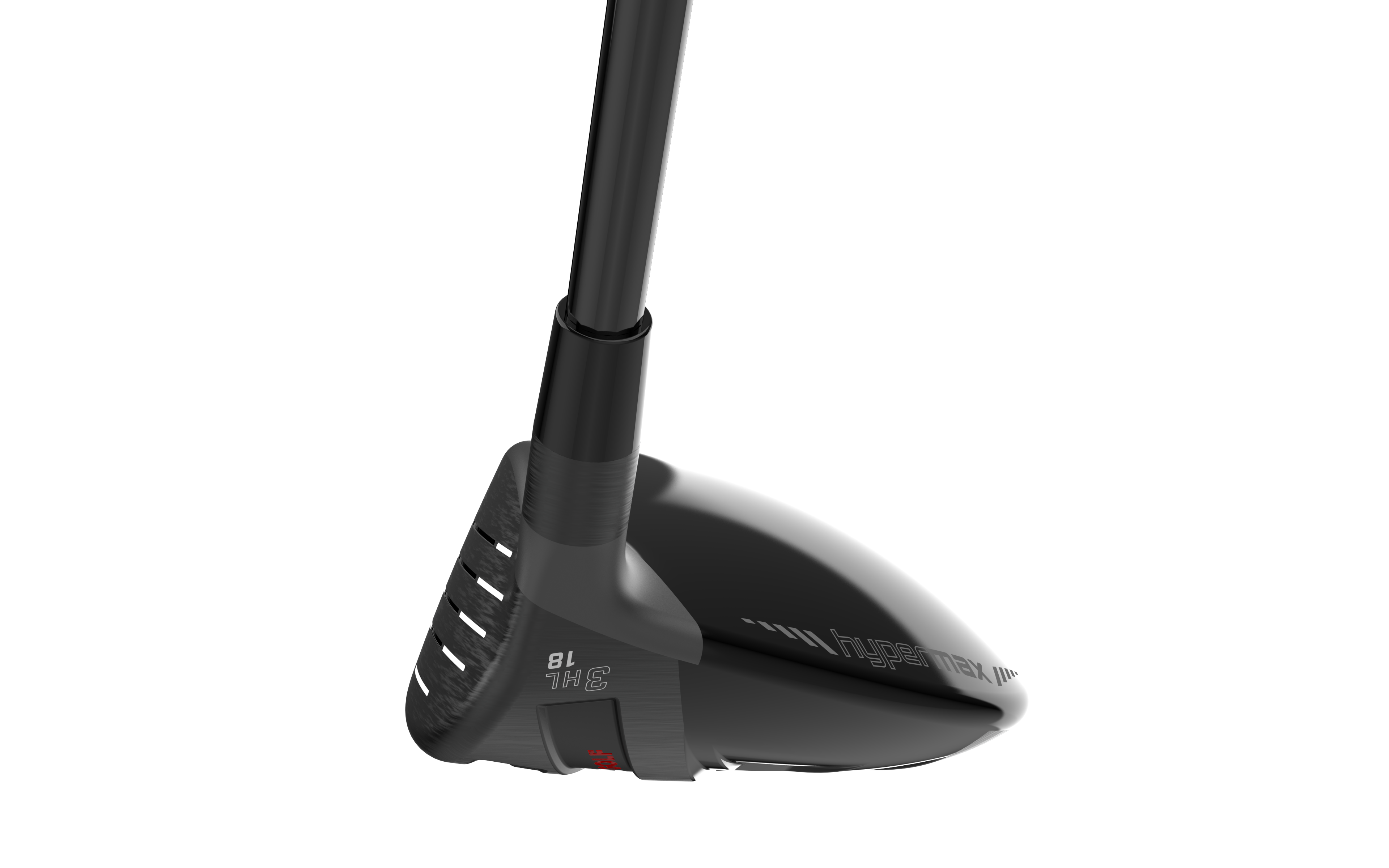
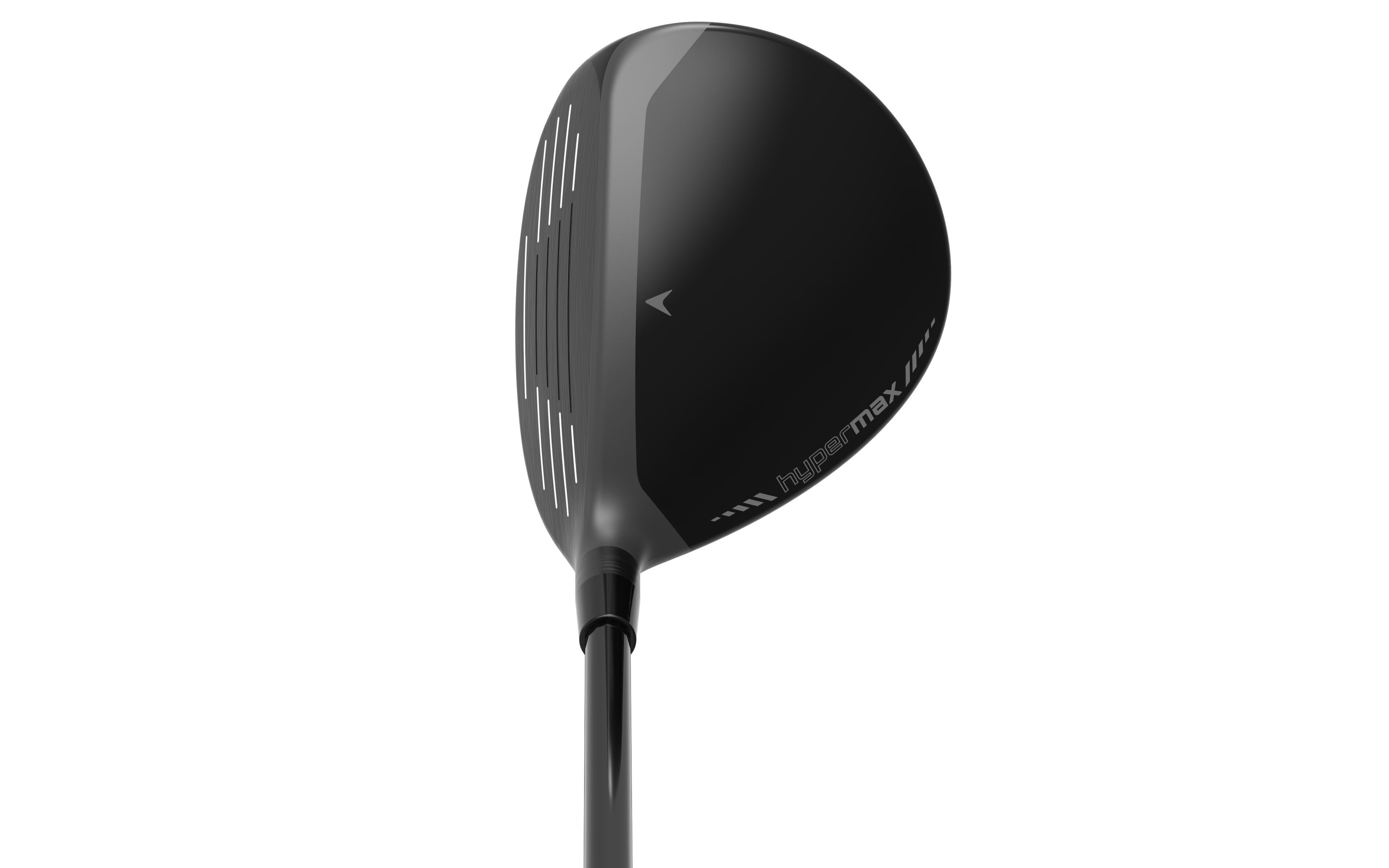
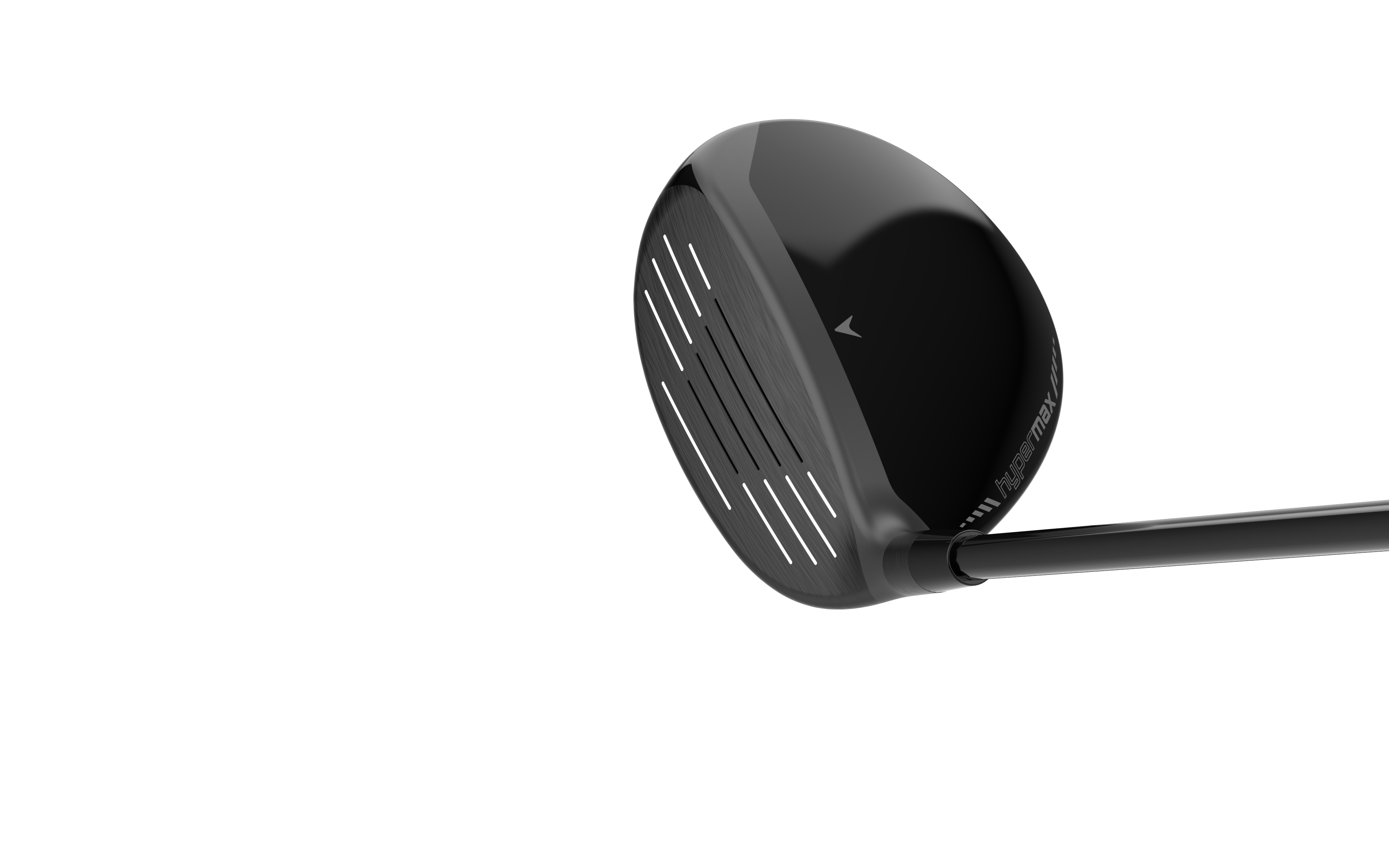
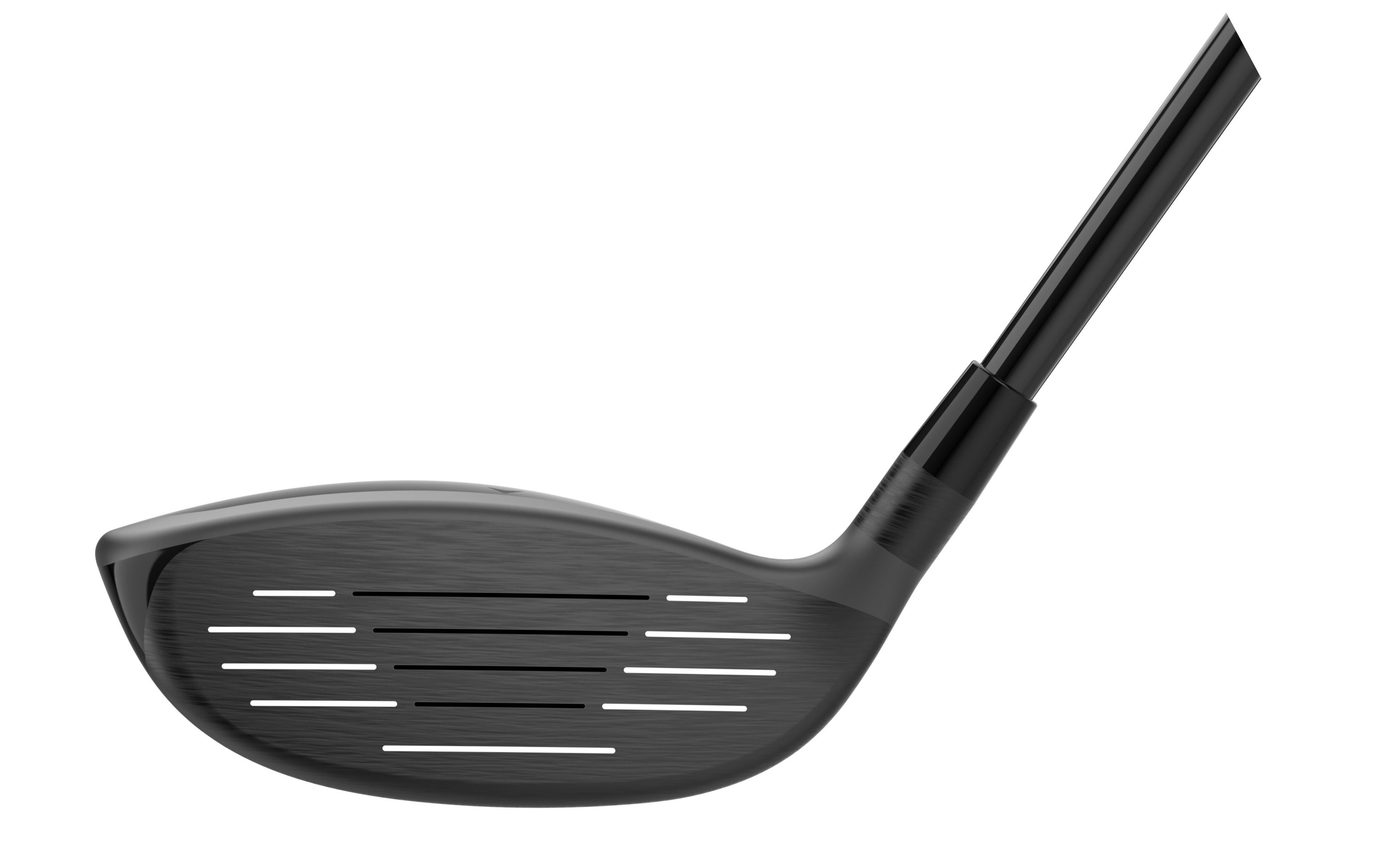
That’s why the Hypermax Hyway Wood feels like a revelation to everyday golfers. It’s the only fairway wood designed entirely around your skill set. The Hypermax is engineered for effortless launch at slower swing speeds, and it’s made to naturally sit square at address for instantly better aim.

You can discover all the features of the Hypermax in this review or try it yourself risk-free for 180 days by clicking this link.
Either way, remember that a lot of instruction and equipment centers on professional players. Find the resources that were made for you, and you’ll discover what you’re really capable of.
About the Author
PGA Teaching Professional Todd Kolb is a five-time Golf Digest Best-in-State Instructor, Amazon Best-selling Author, and Minnesota PGA Teacher of the Year. In over 30 years of coaching, he’s worked with from newbies to an LPGA major champion. He’s currently the Director of Instruction for VLS Golf and USGolfTV and dedicates his efforts to helping the everyday golfer cut through overcomplicated traditional instruction to find solutions that actually work for them.



Share:
Master the Golf Weight Shift—The Game’s Most Underrated Skill
How to Hit Hybrid Golf Clubs: Fix These 3 Errors Immediately